Two Design Days in Mt Eden: Auckland Design Week 2025
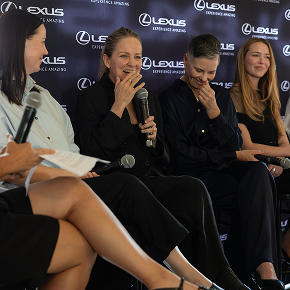
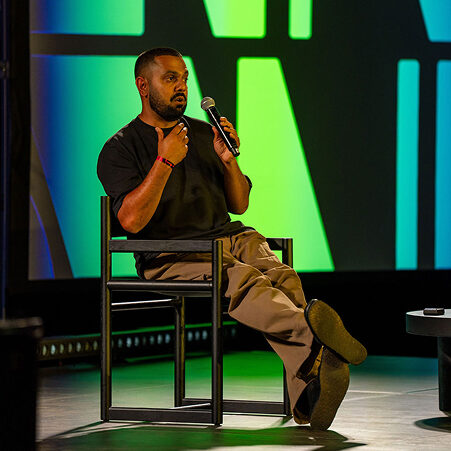
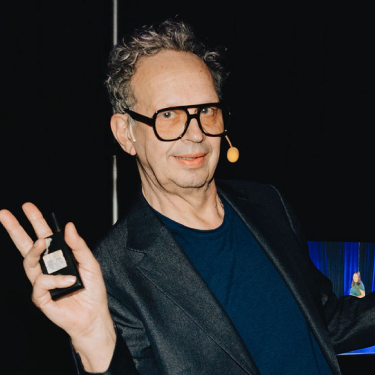
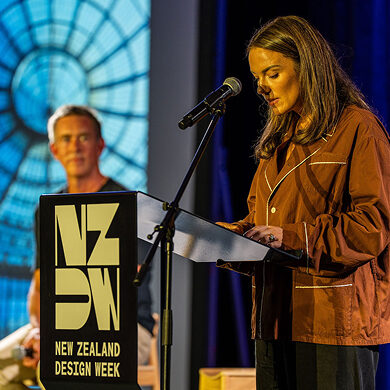
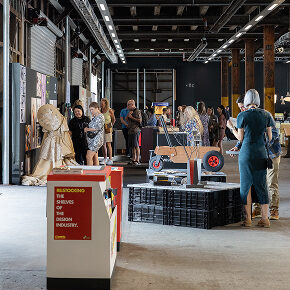
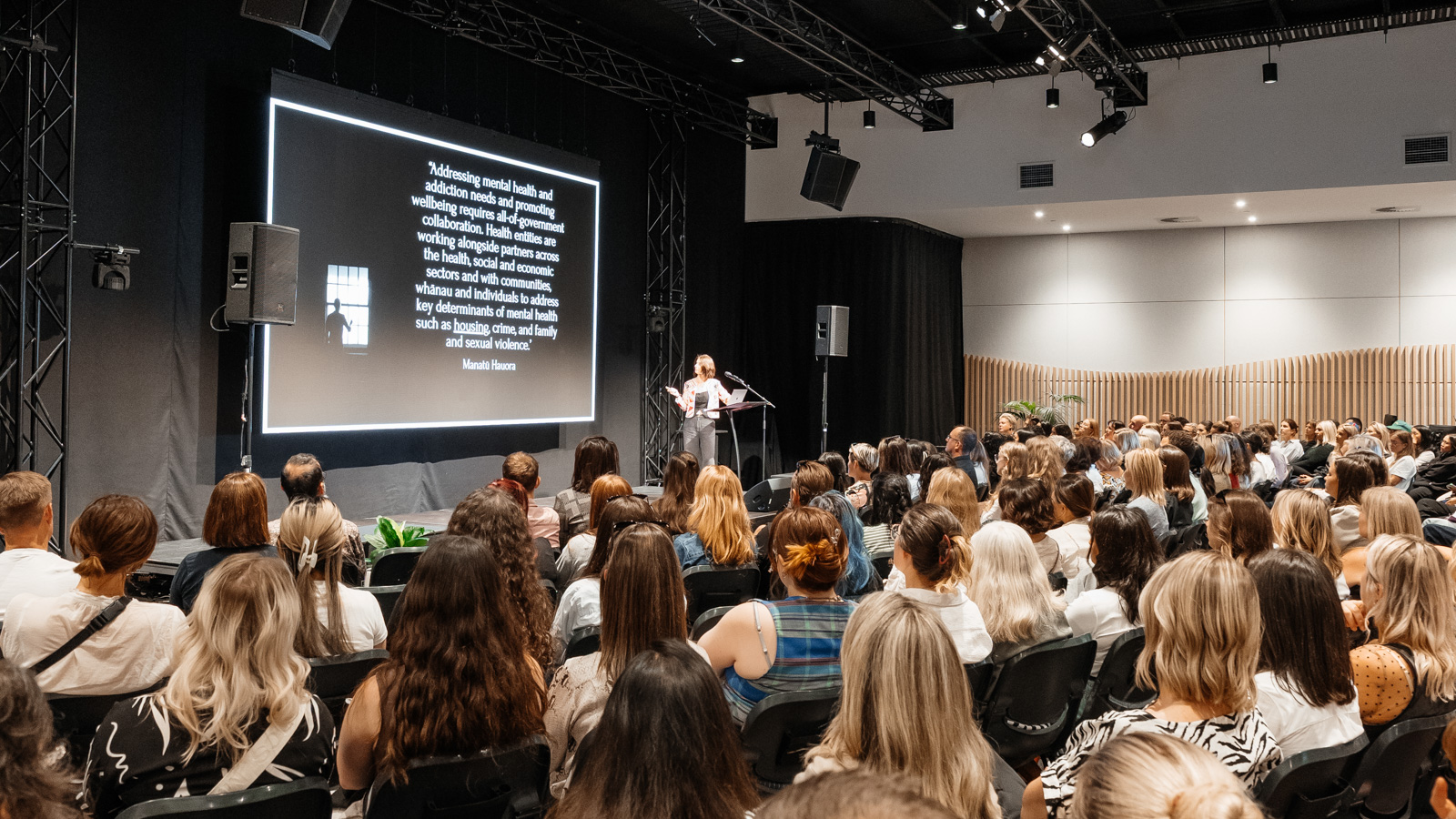
If the conference was our headline, the Design Days were our workshop. Introduced alongside the conference in 2025, they ran back to back at the Design Depot in Mt Eden: a Pro Day on Friday 7 March built for the trade, and a Public Day on Saturday 8 March opened to everyone. Both played out in the Design Lab, the talks room inside the hub, and both were structured as a full day you could sit through and leave knowing more than you came with.
Friday: the Pro Day
The Pro Day programme was practical by design. It opened with the unglamorous but useful session by Tamara Liebman of Calibrate Legal, on contracts for designers and how to protect your work; before Rod Acevedo of RUSH Digital took on design and AI as a question of process rather than novelty. Matt Allen of Mata drew lessons from 30 years of practice, and Lauren Crystal and James Lim of Your Creative talked inclusive leadership as a commercial matter, not a soft one.
Colour ran through the day as a theme in its own right. Wendy Hannah spoke on colour as frequency and feeling, and Dr Sarosh Mulla of PAC Studio gave Terroir of Colour, on how geography, history and culture shape the way we use it. Jacob Scott brought From Waste to Wonder, on Māori art and architecture in a changing world, and Fiona Clarke set out a human-centred design toolkit for spatial designers. Matt Le Grice of Warren and Mahoney closed the sessions with Digital Horizons, and the day ended with a live recording of the Super Creative podcast, Catie Dawson on the journey of Material Creative.
Saturday: the Public Day
Saturday widened the lens for a general audience. It opened on Threads of Change, a panel on redefining sustainable fashion, and moved into Future-Proofing Design Education, Rob Mills of Whitecliffe on the human skills that outlast AI. Photographer Simon Devitt gave a keynote on rethinking photography through perception, and Clare Mora ran an interactive session on how technology is changing the way we choose art.
Fiona Clarke returned with Designing for Life, on human-centred homes, and Lyzadie Renault closed the room with Design as Art, on collectible creativity. A documentary screening, We Need to Talk About AI, gave the afternoon a longer, quieter form and a Q&A to follow. Where Friday spoke to practitioners about their craft and their business, Saturday spoke to anyone who lives with design, which is everyone.
What the two days added up to
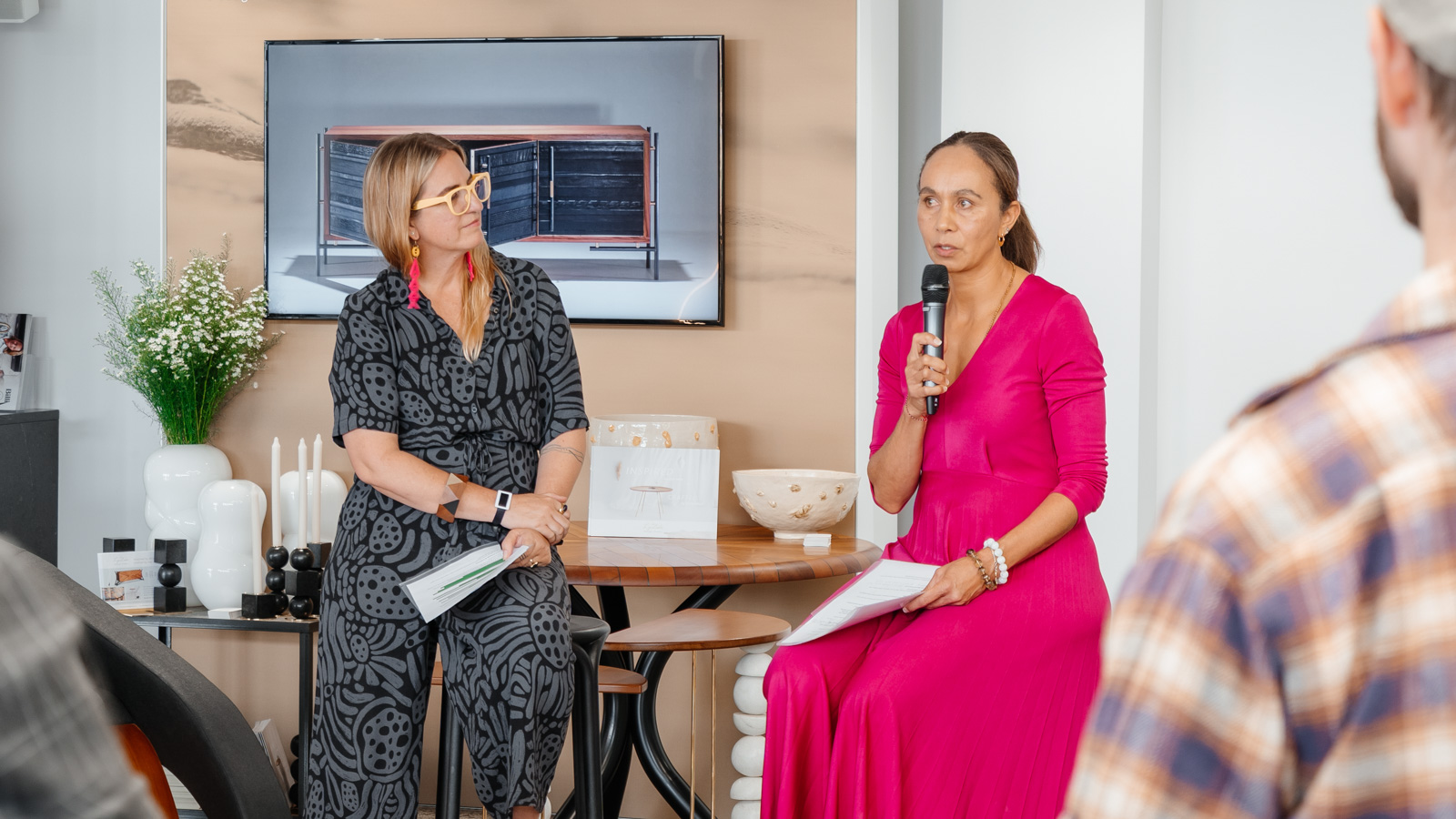
Splitting the Design Days in two was our way of admitting that a designer and a design-curious member of the public want different things from the same building. The Pro Day earned its keep with contracts, colour theory and process. The Public Day traded on craft and sustainability. Holding both inside the Design Lab, across a single weekend, kept our centre of gravity in one place and let the audience choose their own depth.