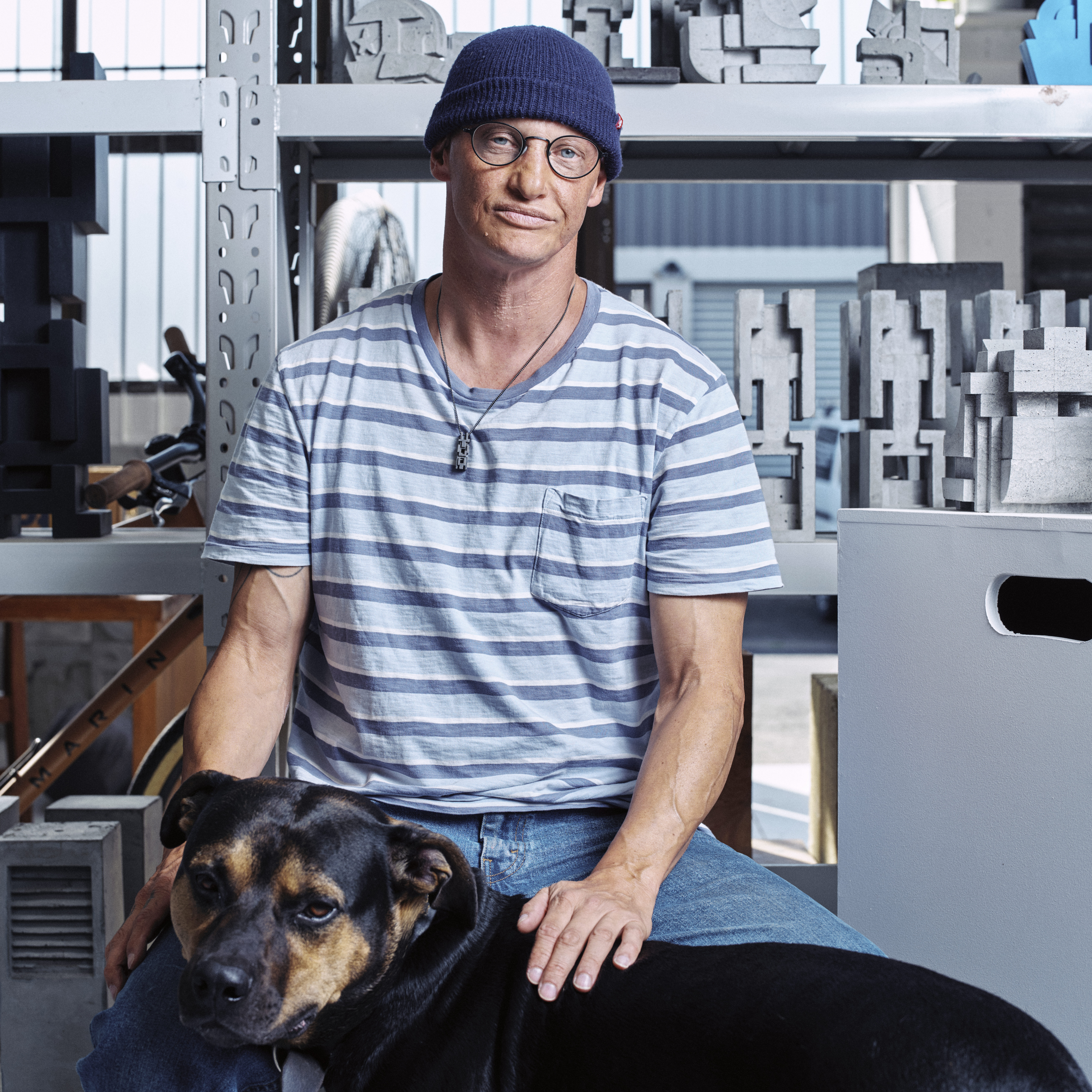
Crafting Place: Design Grounded in Culture, Craft, and Community
This session delves into the essence of place and craft. Through rigorous research and evocative storytelling, Briar Hickling demonstrates how to create unique spatial experiences that transcend disciplines, encompassing architecture, interiors, product, and graphic design. Drawing on her extensive work across the Asia-Pacific region, Briar will showcase projects deeply embedded in culture, context, and history. Her approach focuses on crafting immersive, richly layered environments that nurture a strong sense of community and connection to place.
Speakers

Co-Founder, Linehouse

Moderator
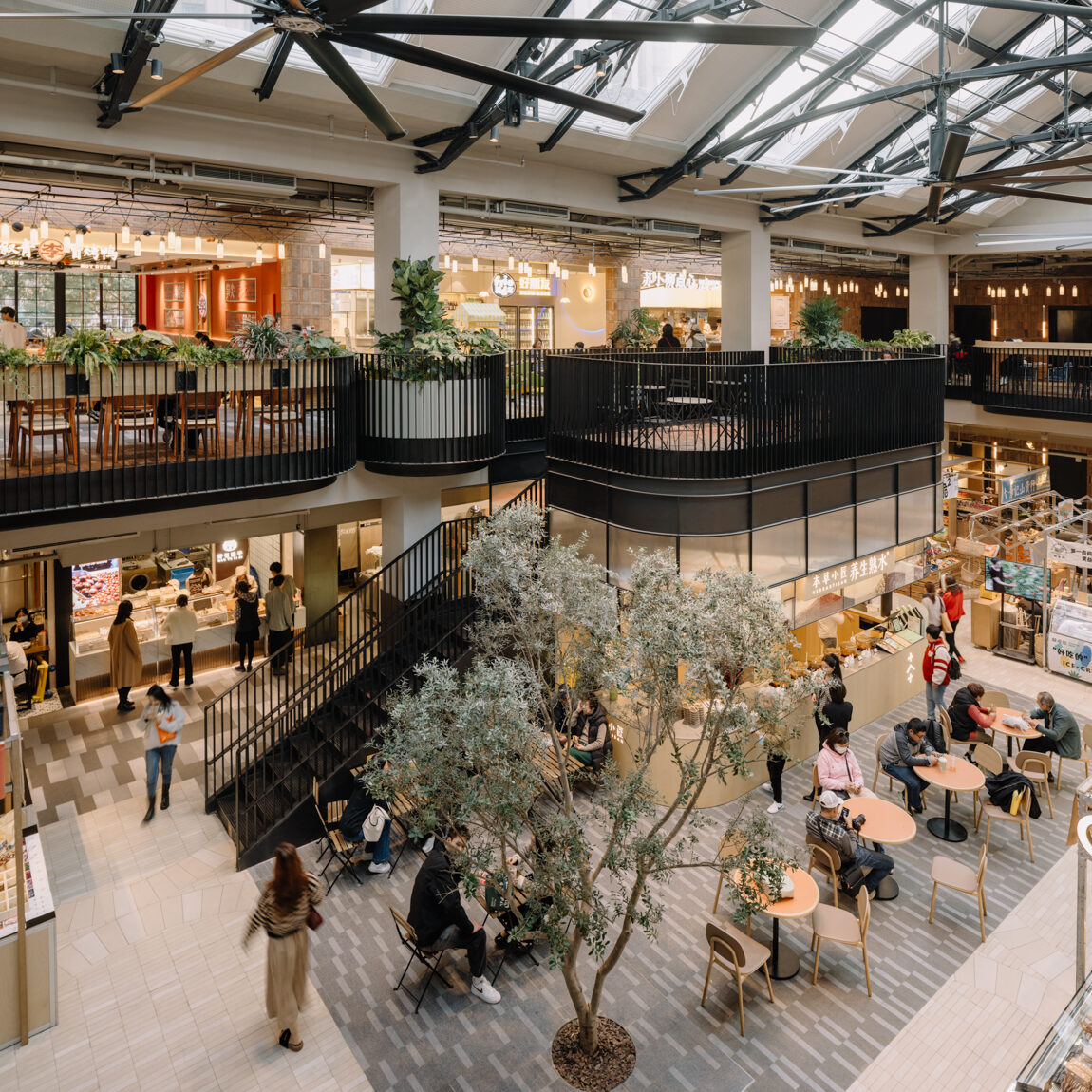

Designing the Social City: Regeneration, Art, and the Human Experience
This panel dives into the transformative power of design and urban development in shaping our cities. We explore how visionary project leadership and cultural strategy drive social impact. The discussion will focus on the difference between mere development and true community building, examining the vital role of Māori design principles and public art, and active open spaces in embedding narrative and identity into the urban fabric. Featuring experts in arts policy, cultural placemaking, recreational environments, and large-scale project vision, the session explores how storytelling through play can strengthen social connection. Ultimately, we are challenged to measure design not by aesthetics, but by its ability to build a deeper sense of belonging in our urban centres.
Waka Moana by Graham Tipene (Ngāti Whātua Ōrākei), created with support from LandLAB for Auckland Council. Image by Jay Farnworth courtesy of Auckland Council.
Speakers
Co-Founder, Linehouse
Moderator
The Global Blueprint: Designing Place and Purpose for Iconic Brands
Join Vincent Lowe, former Global Art Director for Nike Running, for a strategic look at how design creates a universal yet authentic sense of “Place” for global brands. Drawing on experience with Apple, Google, and adidas, Vinny explores how creative strategy, digital experiences, and retail design build cohesive brand identity across continents and communities. This keynote demonstrates how designers move beyond aesthetics to ensure large-scale, commercial efforts are rooted in purpose and cultural resonance, effectively bridging the digital and physical worlds to foster genuine human connection.
Speakers
Co-Founder, Linehouse
Moderator
Aotearoa’s Design Identity: From Whanganui to the World
In 2021, Whanganui was designated New Zealand’s sole UNESCO City of Design, placing its unique creative identity on a global stage. This session explores what it means to be a City of Design, and how Whanganui’s rich cultural heritage – from centuries of Māori design to contemporary practice – offers a blueprint for human-centered futures. We will challenge the traditional notion of design by examining how indigenous perspectives, sustainable practice, and a sense of collective purpose can be woven into our work, strengthening both local community and global connections.
Speakers
Co-Founder, Linehouse
Moderator
Design for Good: Reimagining Fashion Through Regeneration and Community
Fashion Revolution NZ challenges us to see design as a force for planetary good. This session moves beyond basic sustainability to explore regenerative design in fashion—how the industry can actively heal ecosystems and empower communities. Through compelling local and global case studies, we showcase initiatives that embed social justice and cooperative models from the ground up. Discover projects—from regenerative cotton farms to upcycled collections made with marginalised makers—that offer vital insights into nurturing both people and place.
Speakers
Co-Founder, Linehouse
Moderator
Uncovering Potential: Public Land, Public Life
As relative newcomers to Tāmaki Makaurau, the COX Auckland studio presents a forward-looking, bold urban design provocation for Aotearoa’s largest city. This concept directly tackles the housing crisis by unlocking underutilised public land and transforming it into vibrant urban fabric. The proposal integrates structural innovation, high-quality public realm, and landscape architecture to serve both the community and the economy. This session is about rethinking how city infrastructure can be designed with a deep respect for People, Place, and culture, sparking meaningful conversation on creating well-connected, commercially viable developments that meet the city’s urgent needs.
Speakers
Co-Founder, Linehouse
Moderator
After Sunset: Activating Spaces and Connecting People at Night
Light is the essential brushstroke that adds depth and humanity to architecture and urban spaces, yet its power after sunset is often overlooked. With 80% of our perception coming through our eyes, what we see – and don’t see – fundamentally shapes our sense of identity, safety, and connection to Place. This lighting design journey asks: How do buildings, streets, and cities come alive in darkness? Explore how strategic artificial light transforms environments, tells stories, guides movement, and engages people, demonstrating that well-considered lighting is critical to fostering belonging and social connection in the nocturnal community.
Speakers
Co-Founder, Linehouse
Moderator
The Future is Flexible: Rethinking Space for People + Planet
As our global population grows, we face an urgent challenge: how to design better spaces for more people with fewer resources. In this thought-provoking talk, Industrial Designer and Chief Product Officer, Sam Burton, introduces unió, a spatial living system grounded in sustainability and human-centred design. Sam challenges you to reimagine “living space” not as a fixed backdrop, but as a fluid tool for self-determination and social connection. This session explores the shift from static, space-hungry homes to dynamic environments that flex and respond to our daily rhythms, embracing a future where architecture is not just built, but lived. This talk will inspire new thinking on the homes of tomorrow and the impact of spatial transformation on the human experience.
Speakers
Co-Founder, Linehouse
Moderator
The Essential Guardian: Why Designers Must Lead the Way in an AI World
As AI moves into design, our role is becoming critical, not diminished. Drawing from behavioural science research, this keynote reveals why designers are uniquely positioned to be the guardians of human values. Our natural empathy and human-centered approach are essential to ensuring automated decisions serve ethics, sustainability, and authentic human experience. This is about leading conversations to shape an AI future rooted in humanity.
Speakers
Co-Founder, Linehouse
Moderator
Designing for Connection: Emotion, Culture and the Future of Loyalty
Brands excel at getting people to transact, but struggle to truly connect. In this talk, Meredyth and Chris will show how they use a powerful people-led design approach that moves customer experience beyond functional services into moments of cultural resonance. Framed through the theme of People + Place, they’ll explore how designed experiences can become platforms for belonging, co-creation, and identity. This is a chance to see how design connects audiences not just to brands, but to each other, to culture, and to the places they move through.
Speakers
Co-Founder, Linehouse
Moderator

This event is exclusive to
Design Conference ticket holders.
 Design Conference