The free week: Auckland Design Week 2025 across the city
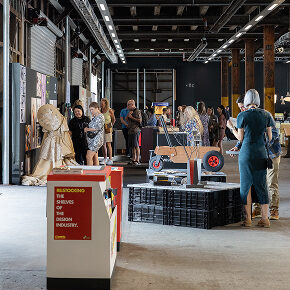
Auckland Design Week 2025 ran from 3 to 9 March, our second year, under the theme Chance + Change. Alongside the ticketed conference and Design Days in Mt Eden, we opened a second, free layer across the city: 14 satellite events, hosted by showrooms, studios and manufacturers, that anyone could register for. They were where the week spread out beyond one venue and into the places design actually gets made and sold.
Mornings that started with a question
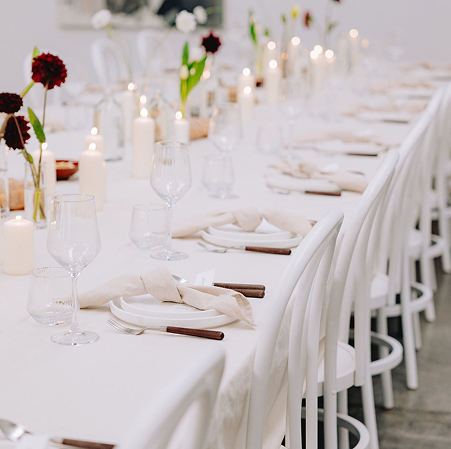
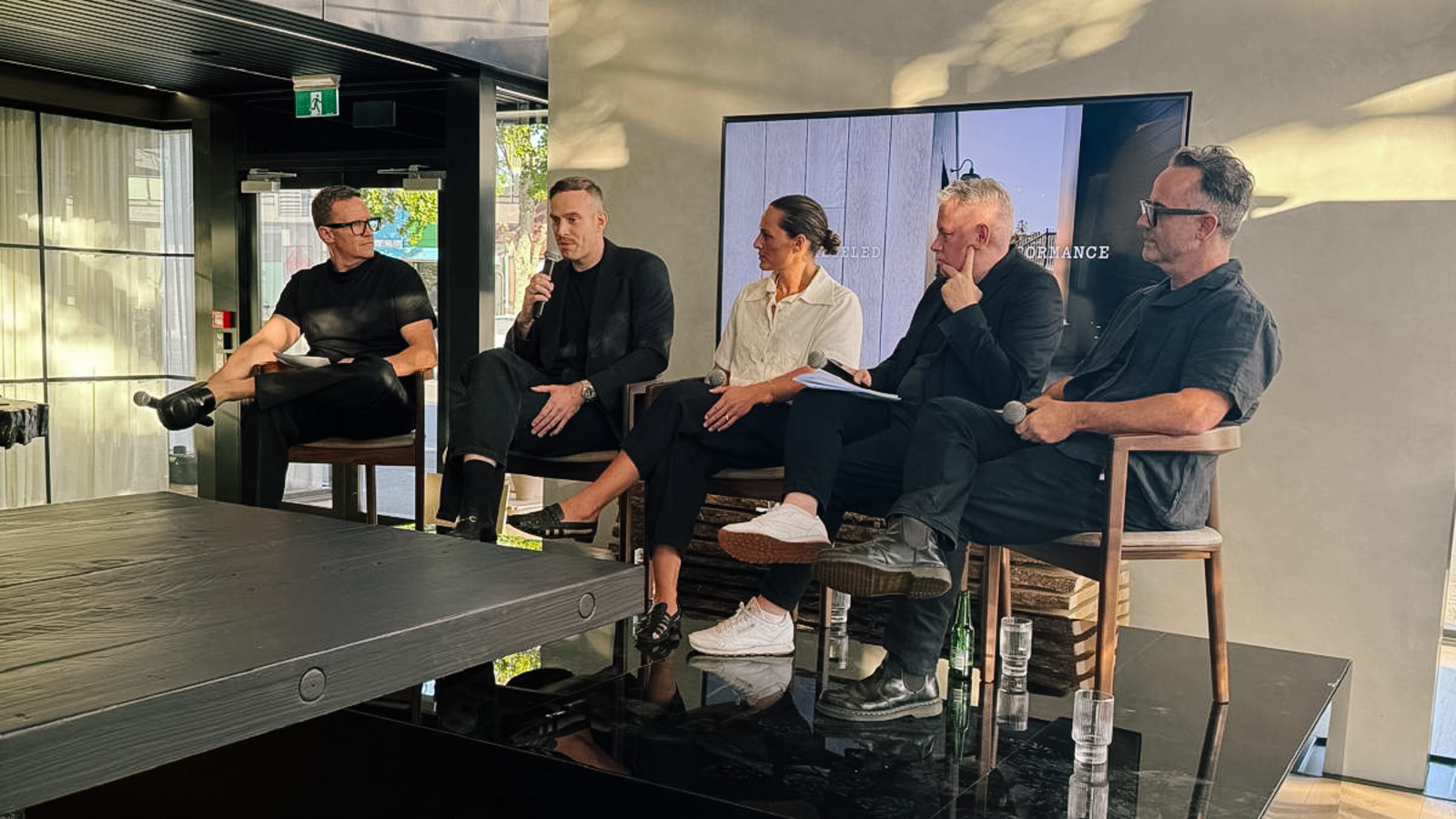
The free programme leaned into breakfast. Crestline Furniture Systems opened the week in Parnell with a panel on how AI, AR and VR are reshaping workspace and furniture design. Fisher & Paykel ran a CPD breakfast at its Grey Lynn Experience Centre, Design for a Changing World, on carbon and sustainability. Tile Space hosted an early keynote and Q&A with Grand Designs host Tom Webster. Each one traded on the same idea: give people a reason to be in a showroom at 8am that had nothing to do with buying anything.
Factories, tapware and the working city
Some of the most memorable free sessions took people behind the scenes. Rui Peng opened Critical’s Papatoetoe factory for a tour of Cleanstone, the recycled-plastic panel made on site. Hawthorne Group brought its Drury operation into the programme with Hawthorne’s Next Chapter. Nero Tapware ran a session on design innovation in Newmarket, and Forte closed a day in Grey Lynn with a panel on New Zealand design innovation. Plumbline opened its Newmarket showroom for a session on craftsmanship.
A networking thread, and a weekend for the public
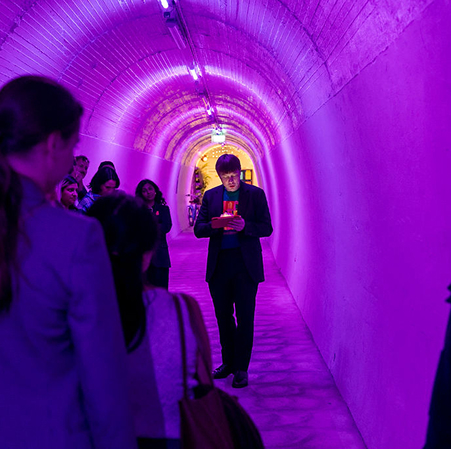
The free layer also did the work. On the conference morning, a Women in Design and Tech networking breakfast ran in the Mt Eden venue’s foyer, no formal agenda, just pastries and introductions. NAS brought an audiovisual piece, Urban Immersion, into the same foyer during the Design Days. And a simple Coffees & Handshakes session hosted at Flight Coffee gave people a low-key way to meet.
The final Sunday belonged to a more public, sensory set of talks. Clark Bardsley led Made in NZ, on the role of making in contemporary practice. Gow Langsford hosted Montage of Attractions, artist Matthew Browne on art, memory and grief. Sala closed the week with a journey through light, space and wellbeing, a studio tour that ended in a yoga practice.
Why the free events mattered
The satellite programme is how we reach past our ticketholders. It lets a curious member of the public, a student, or a designer between meetings drop into one thing for an hour without committing to a pass. It also gives our partners a room of their own to host in, on their own turf, which is how a festival builds a city-wide footprint rather than a single-venue one. Fourteen free events across seven days was a deliberate widening of the door, and it is a pattern we intend to keep.