People + Place: the first theme of New Zealand Design Week
2026 has been a year of two firsts for us. It was our first festival under the name New Zealand Design Week, after two editions as Auckland Design Week, and the first to run under the theme People + Place. The two firsts belong together. As a festival opening its name out from a city to a country, we needed a theme about where design comes from and who it is for, and People + Place was exactly that.
A new name, and a grounding idea
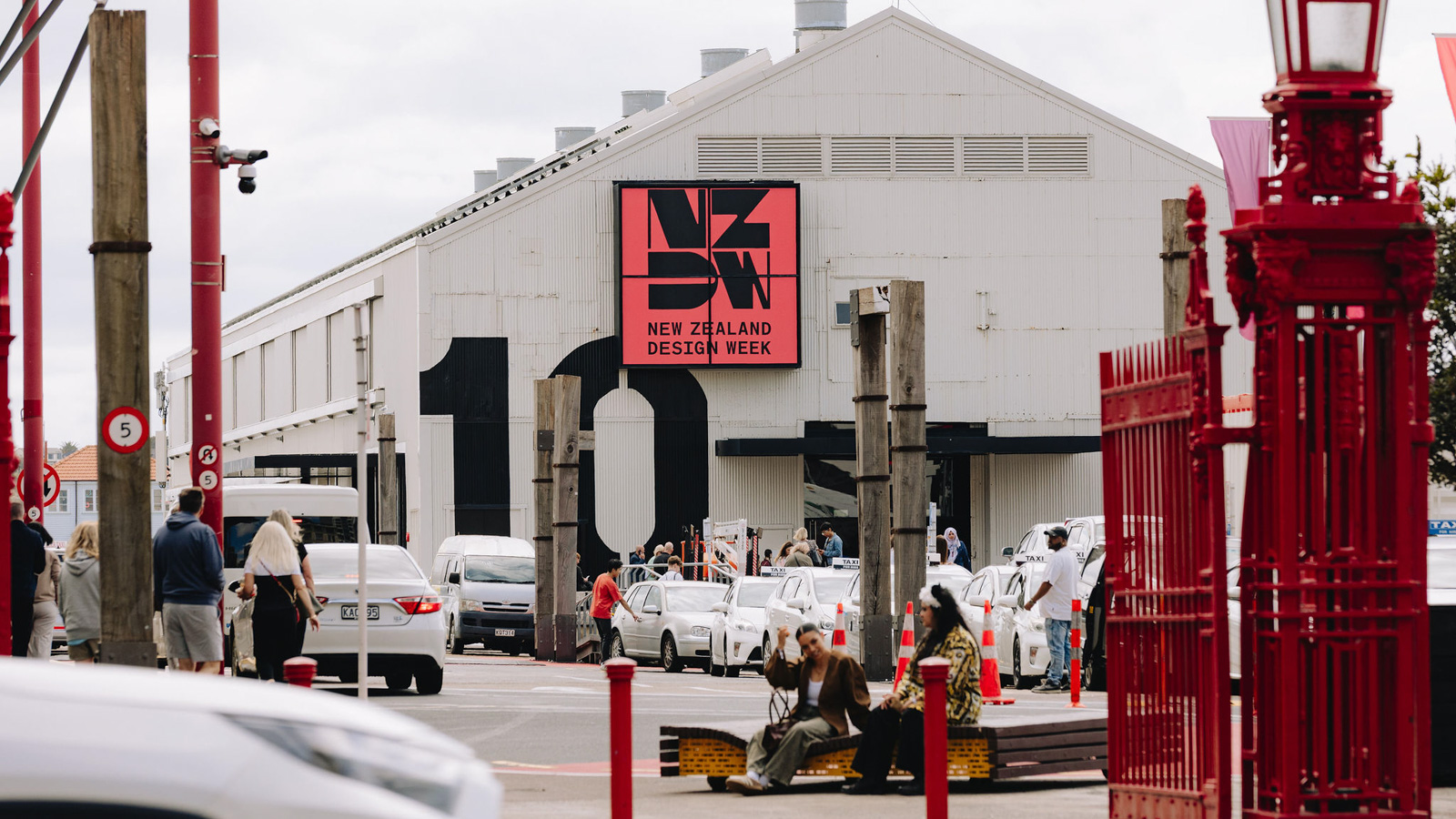
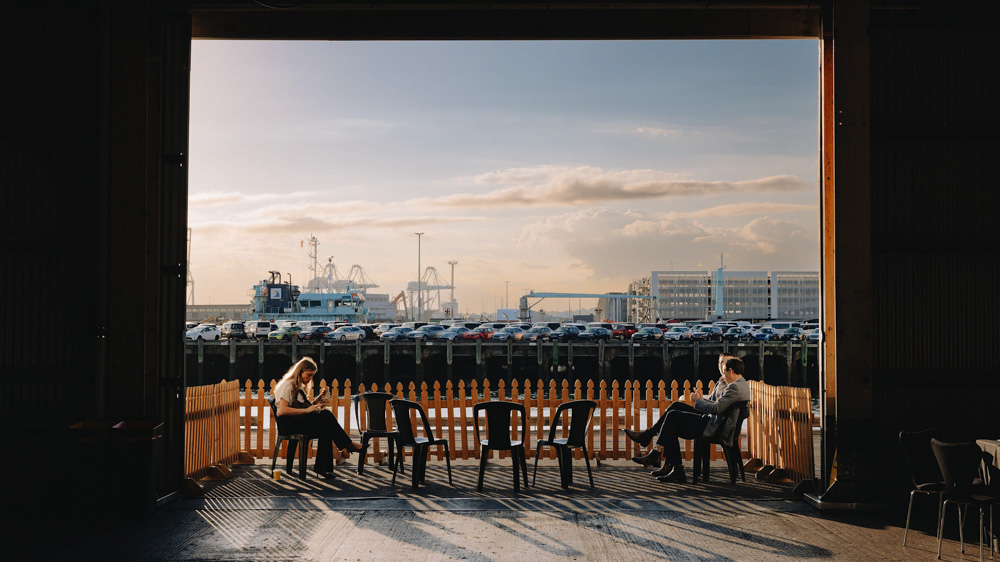
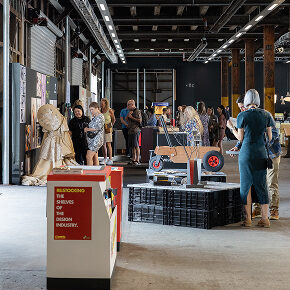
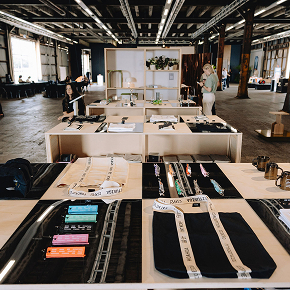
The rename was not a rebrand for its own sake. We kept the same brand, voice and values, and changed only the reach of the name, anchored in Tāmaki Makaurau, representing Aotearoa. People + Place gave that shift a design argument. It asked what design owes to the communities it serves and the land it sits on, and we ran that question through a programme staged at Shed 10 on Queen’s Wharf, a place with its own history to answer to.
From Whanganui to the world
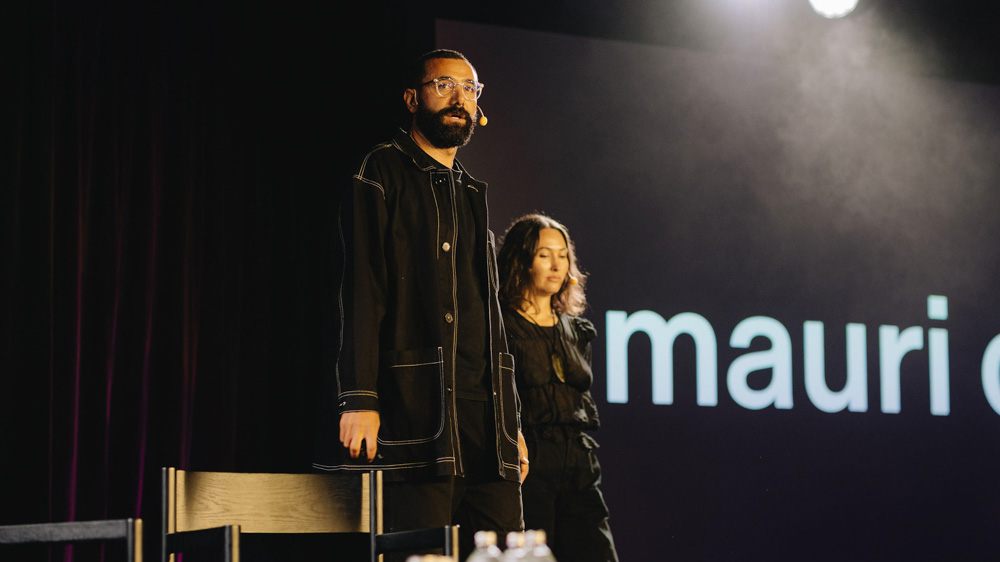
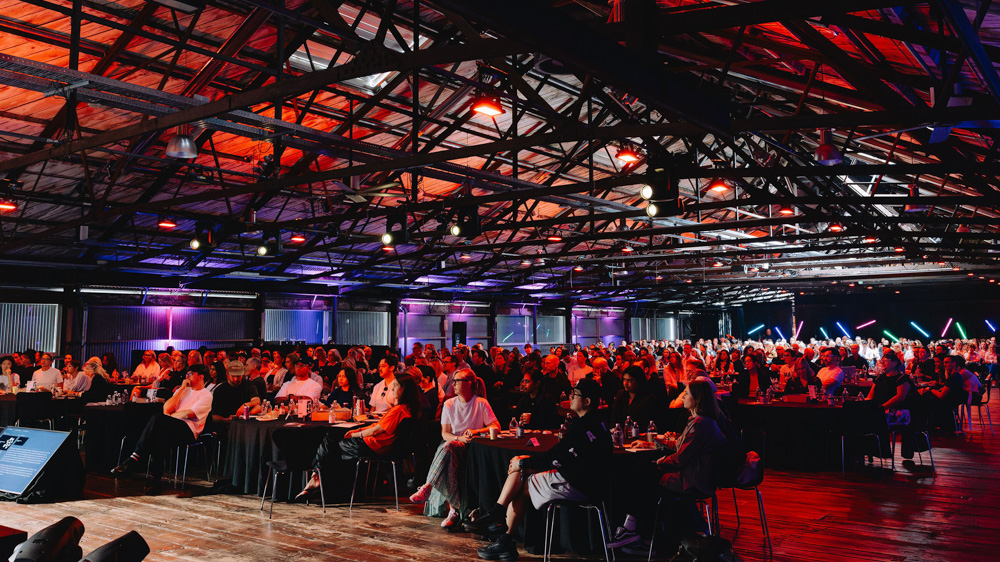
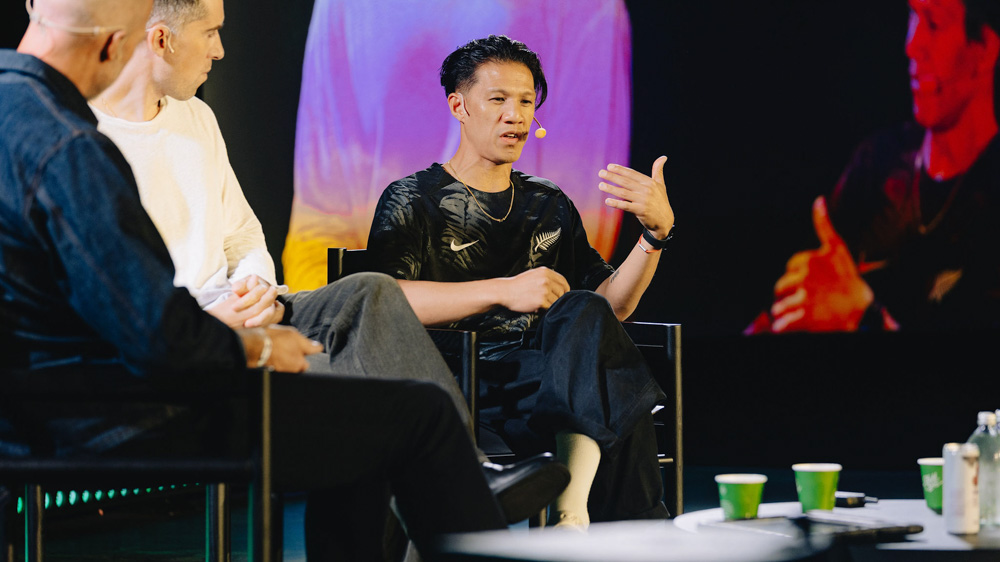
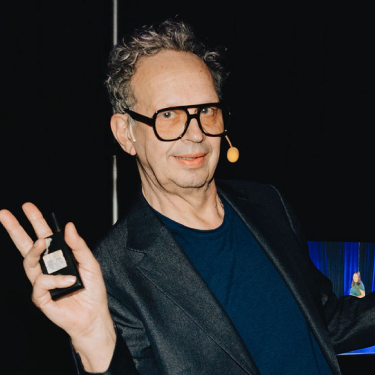
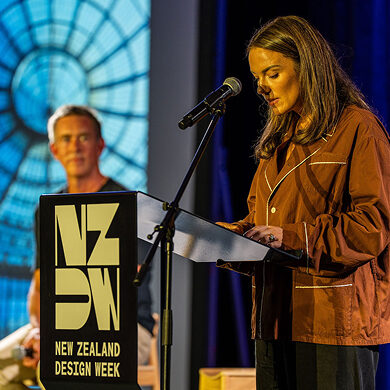
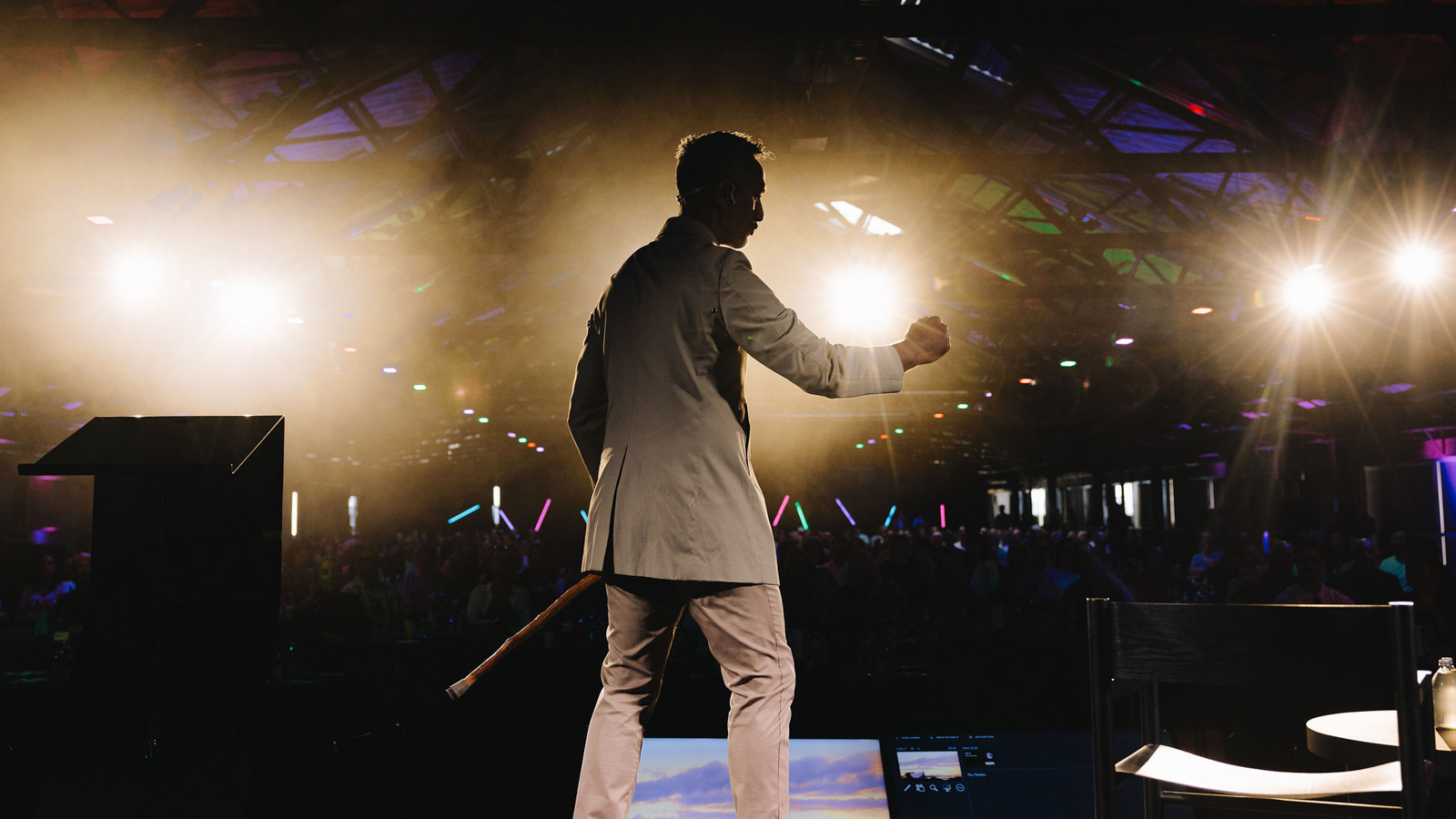
The Design Conference set the theme’s widest frame. It opened on Aotearoa’s Design Identity: From Whanganui to the World, fitting for a country whose only UNESCO City of Design is Whanganui, and it closed with Briar Hickling of Linehouse on Crafting Place, design grounded in culture, craft and community. Between them, Vincent Lowe brought The Global Blueprint, on designing place and purpose for iconic brands, and Tom Dixon spoke on how things get made. The shape was deliberate: start with local identity, reach out to the world, and come back to craft and community. Place, the day argued, is not a limit on design. It is its source.
Design measured in place
The Design Days took the theme into specifics. Paererewā asked what it means to design a thousand-year legacy of place. The Regenerative Compass navigated complexity through Te Takarangi. The New Local looked at regenerating craft, culture and commerce, and After Sunset considered how we activate spaces and connect people once the city goes dark. Beyond the wharf, the theme kept showing up in the shape of the programme itself. Our architect’s home tour read design at the scale of the house. The satellite at Grimshaw read it at the scale of the City Rail Link. IKEA framed its own arrival as Designing Life in Aotearoa. People + Place, in practice, meant design measured against real communities and real ground, from a single home to a whole rail network.
Anchored in Tāmaki Makaurau
Held in the year we became New Zealand Design Week, People + Place did more than theme a programme. It explained the name change. A design festival that wants to represent Aotearoa has to be able to say what it stands on, and this was the year we said so out loud: people first, and the places that shape them. It is the theme that turned a change of name into a statement of intent.