Local Design 
Conference
Monday 8 March 2027
Shed 10, Queen's Wharf, 89 Quay Street,
Tāmaki Makaurau Auckland
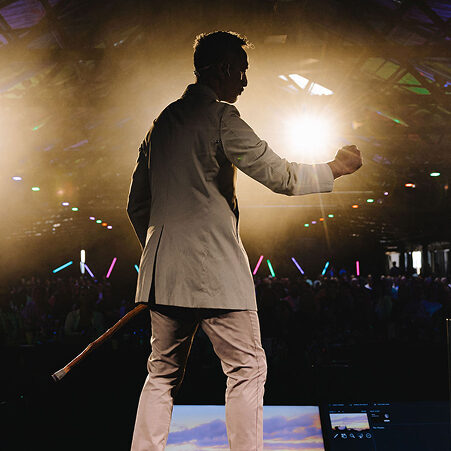
The flagship event on the NZDW calendar, and new for 2027 it runs over two days: Monday 8 March for designers from Aotearoa, Tuesday 9 March for the international programme.
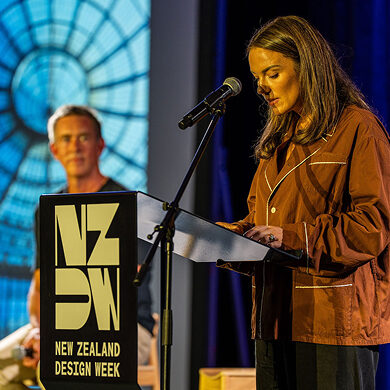
The local day puts the people making work here (and abroad) on the Shed 10 stage. The day runs four strands: branding, storytelling, digital and identity; industrial design, making and supply chains; built environment, infrastructure and materials; and the business of design.
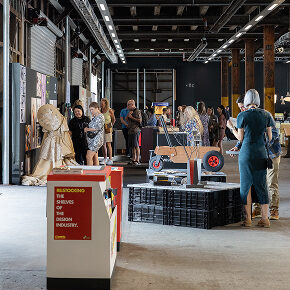
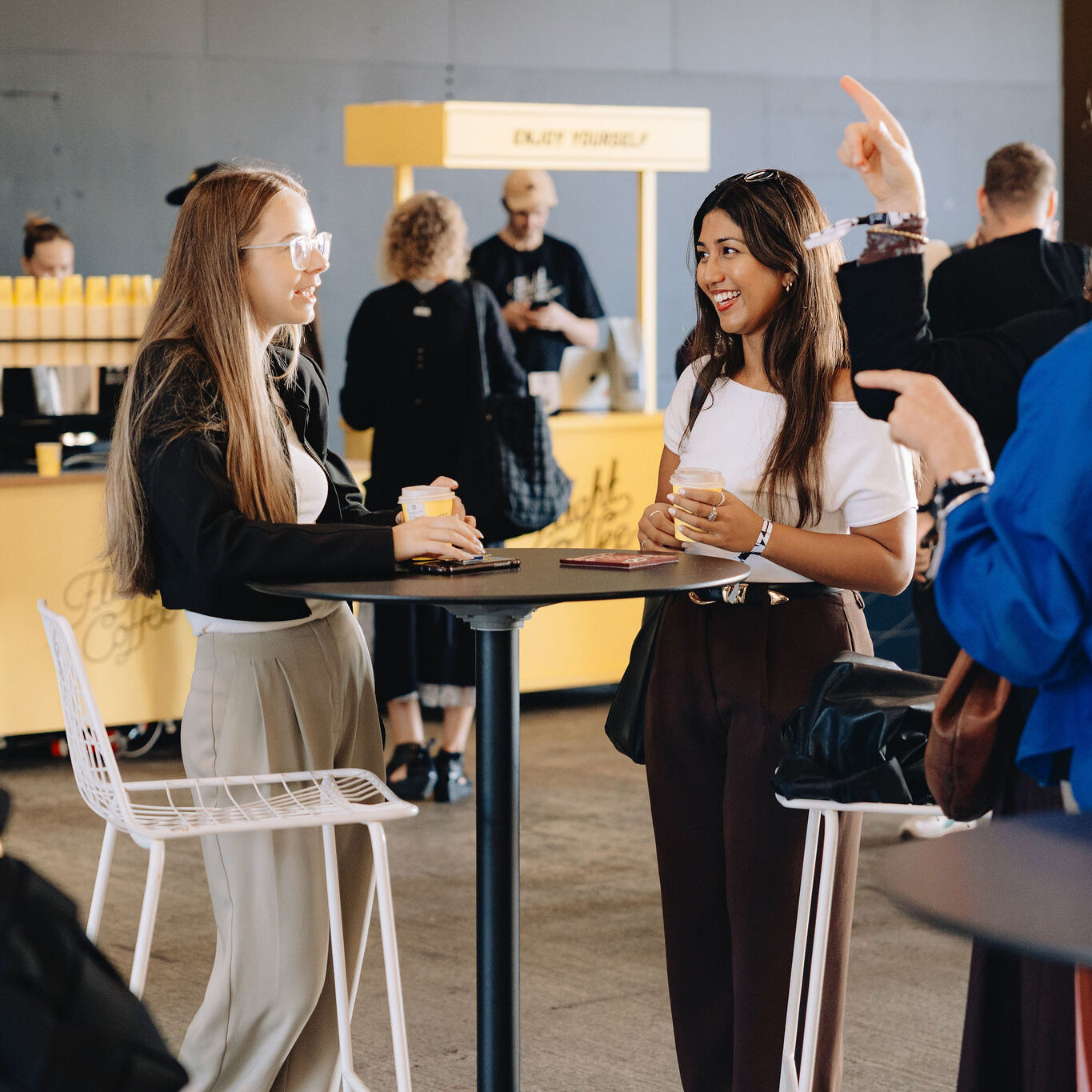
20 sessions of 20mins, each with 10mins of Q&A, alongside networking, partner installations and brand activations.
Conference
Agenda
7:30 AM
Doors Open
8:30 AM
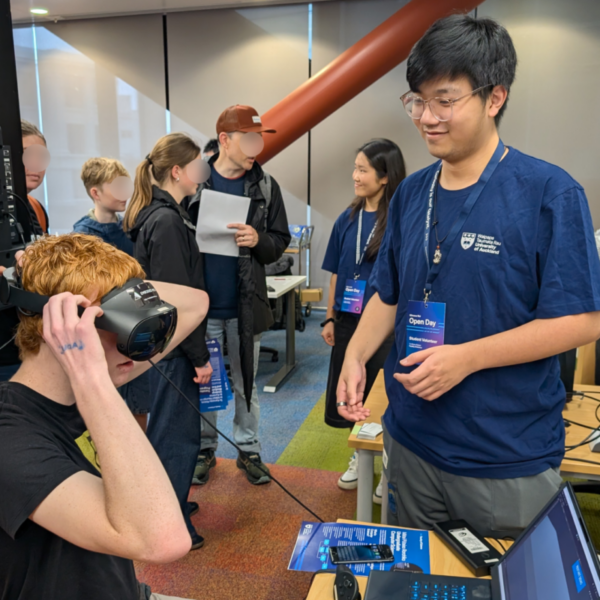
Dr Yun Suen Pai directs the Inclusive Reality Lab at the University of Auckland, designing assistive technology with the people it serves. Portable Silent Room, a VR space for anxiety regulation co-designed with neurodivergent women and non-binary people, left some of them more anxious at first. Dementia Eyes let hospital staff see their workplace through the eyes of a person with dementia, and every one of them walked straight into the bin. Co-designing touch for care robots showed gentle means restraint, not softness. As AI learns to adapt, let the edge set the brief and keep the dial in people's hands.

Yun Suen Pai
Dr. Yun Suen Pai is a Senior Lecturer at the University of Auckland and director of the Inclusive Reality Lab. His work understands, assists and augments people, towards an Inclusive Reality where age and ability no longer limit connection. It has earned international research awards and multiple patents.
Dr. Yun Suen Pai is a Senior Lecturer at the University of Auckland and director of the Inclusive Reality Lab. His work understands, assists and augments people, towards an Inclusive Reality where age and ability no longer limit connection. It has earned international research awards and multiple patents.
9.00 AM
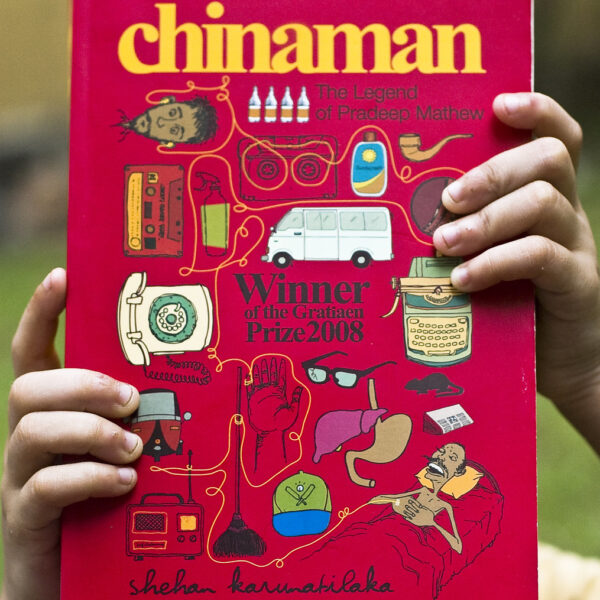
Most people and companies only make one book in a lifetime, so Auckland book designer Deshan Tennekoon treats each one as legacy rather than product. For the collector's edition of 'The Incomplete Thombu', T. Shanaathanan's paintings on the loss of Tamil land during Sri Lanka's civil war, he kept the original pages but modelled the binding on colonial property registers from the 1700s. A history of a tobacco company went to print without a single product photograph. 'Chinaman', Shehan Karunatilaka's Gratiaen, DSC and Commonwealth prize-winning novel, took 47 type treatments to carry its unreliable narrator. A talk about making a book worth keeping.

Deshan Tennekoon
Deshan's design practice counts over 85 books on a range of subjects, in a variety of forms. The people who commissioned him include poets, banks, cultural institutions, and artists. He was Fulbright Visiting Scholar of Photography at Berkeley in 2009. Prior to that, he read Law at King's College London.
Deshan's design practice counts over 85 books on a range of subjects, in a variety of forms. The people who commissioned him include poets, banks, cultural institutions, and artists. He was Fulbright Visiting Scholar of Photography at Berkeley in 2009. Prior to that, he read Law at King's College London.
9.30 AM
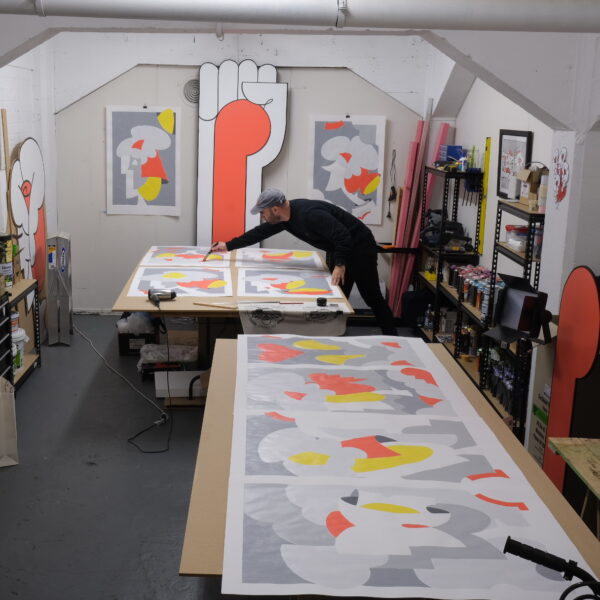
After the uncomfortable sale of a personal painting in 2020, Haser made an instinctive decision to take all of his original works off the market. A personal call with an uncertain outcome has paved the way for a new way of working. Taking his work off the market removed the buyer from the studio, and the influence of sales from his outcomes. Often creatives can't do that, and he is not asking them to; but his argument is that you can only tell a constraint from a compromise if you know what you would make unbriefed. He shows the work either side of that decision, including what stopped selling, and how he tests it now that approval is not the test.
Kairau "Haser" Bradley
A Māori artist of Ngāpuhi descent, born and raised in the western suburbs of Auckland, Aotearoa (New Zealand). After decades of dedication to the urban canvas and 10 years navigating the corporate space of the design world, Haser now occupies a full time art practice.
A Māori artist of Ngāpuhi descent, born and raised in the western suburbs of Auckland, Aotearoa (New Zealand). After decades of dedication to the urban canvas and 10 years navigating the corporate space of the design world, Haser now occupies a full time art practice.
10:00 AM
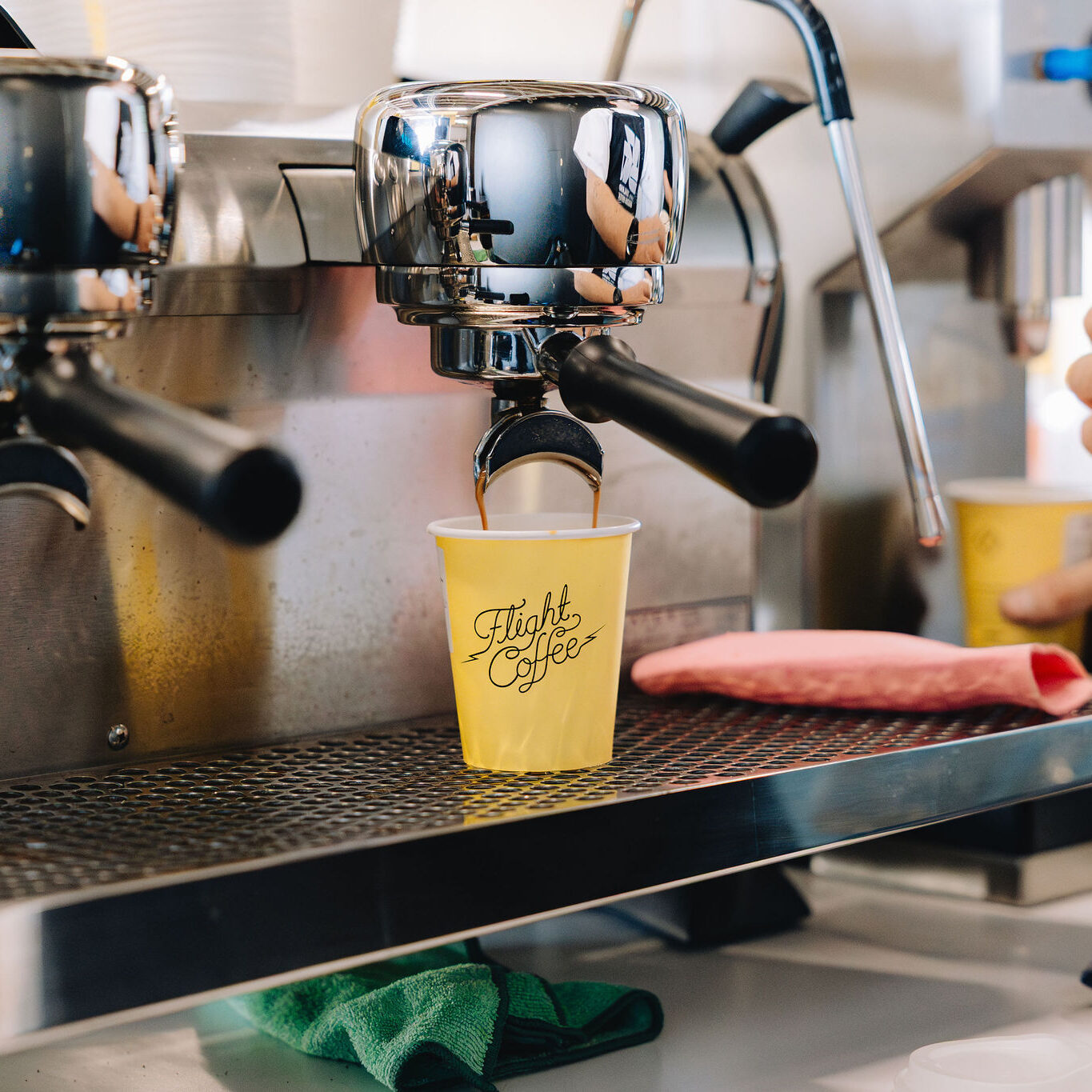
Morning Break
10:30 AM
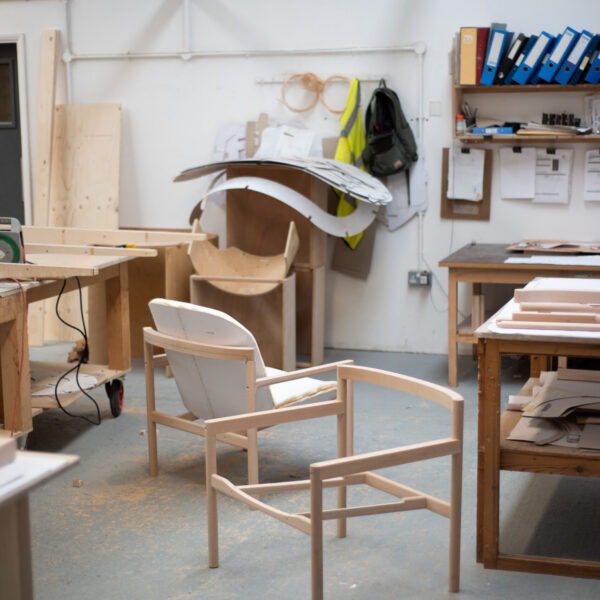
What happens to designing from the process out when the factories are half a world away? Industrial designer Tim Rundle spent 15 years abroad, founding his independent studio in London in 2015, before coming back home to Aotearoa. His work starts in the factory, from the furniture meccas of Northern Italy to the mass production powerhouses of the Far East. Logistical limits led to a new finish for raw aluminium with ReFramed in Denmark, and new ways of shaping timber for Morgan in the South of England. The factory shapes the drawing as much as the drawing shapes the factory.
Tim Rundle
An Aotearoa based Industrial Designer with two decades in industry, much of that spent abroad. His portfolio spans furniture, lighting, consumer products and transport. It includes numerous award winners and best sellers for some of the design industries leading global brands including Audo, SP01 and Joseph Joseph.
An Aotearoa based Industrial Designer with two decades in industry, much of that spent abroad. His portfolio spans furniture, lighting, consumer products and transport. It includes numerous award winners and best sellers for some of the design industries leading global brands including Audo, SP01 and Joseph Joseph.
11:00 AM
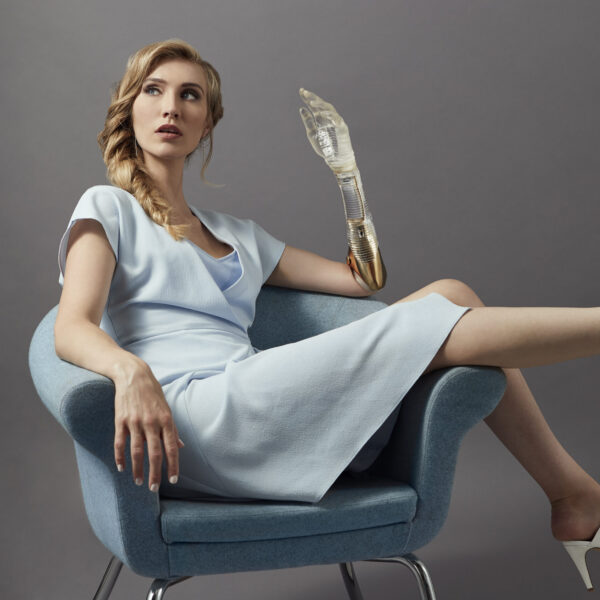
What if a prosthetic wasn't designed to replace anything? When Dani Clode built the Synchronised arm for disability activist Kelly Knox, she put the pulse sensor where she could find her own pulse, and at the first fitting nothing moved. From that series of alternative limbs to the Third Thumb, a robotic additional digit at the centre of University of Cambridge neuroscience research into augmentation, Dani's work questions the human body as a fixed design template, and explores what happens when the bodies we design for begin to change the brief.

Dani Clode
A New Zealand augmentation designer and researcher at the Plasticity Lab, University of Cambridge, UK. Her multidisciplinary work explores prosthetics and human augmentation through design, robotics and neuroscience. She is an author on multiple scientific papers, and her award-winning designs are exhibited internationally, including five permanent museum installations.
A New Zealand augmentation designer and researcher at the Plasticity Lab, University of Cambridge, UK. Her multidisciplinary work explores prosthetics and human augmentation through design, robotics and neuroscience. She is an author on multiple scientific papers, and her award-winning designs are exhibited internationally, including five permanent museum installations.
11:30 AM
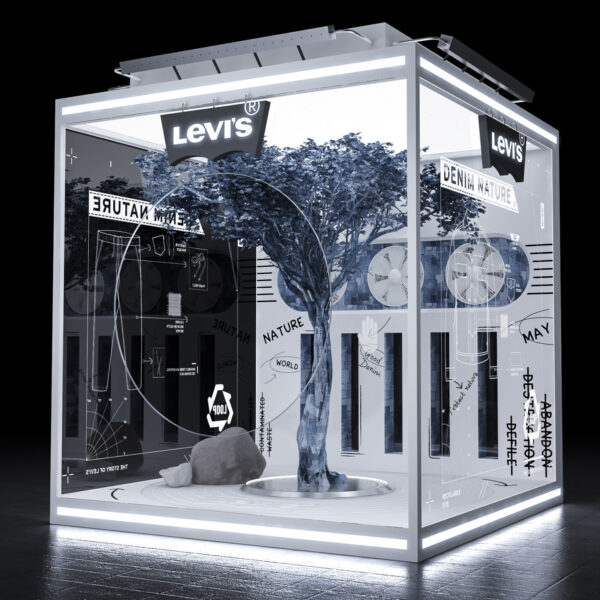
Xenia Sidorenko spent years inside mass fashion production in China, where waste was simply a side effect of making the thing you actually sold. Cutting room scraps, surplus fabric, damaged garments, unsold stock. When she founded USEDEM in 2015 she reversed the relationship. The Buddy Backpack began as discarded jeans. A product line for Levi's, adidas, ASICS and W Hotels began as their own deadstock. The question is not what material do we need to make this, but what can this material become. Not all of it worked. Some ideas were visually exciting and then died on contact with the factory, too much labour, too many operations, or a waste stream that could not be sourced twice. On why industrial upcycling cannot run on creativity alone, and what changes when you design for the waste stream and the production line at the same time.

Xenia Sidorenko
The founder and Art Director of useDEM, an upcycling design company founded in Shanghai and now based in New Zealand. With 20 years' experience in denim and product development, she transforms textile waste into thoughtful design, challenging conventional ideas of value, consumption, and what we call waste.
The founder and Art Director of useDEM, an upcycling design company founded in Shanghai and now based in New Zealand. With 20 years' experience in denim and product development, she transforms textile waste into thoughtful design, challenging conventional ideas of value, consumption, and what we call waste.
12:00 PM
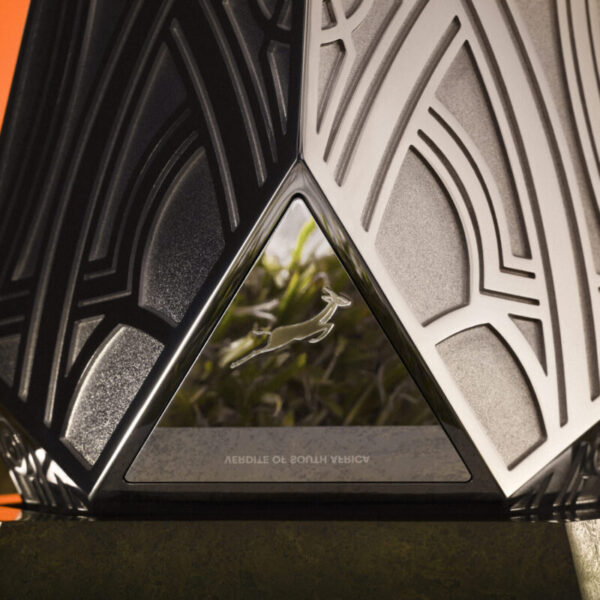
Strategy Creative are not industrial designers. Which might be the reason they designed a trophy nobody knew how to make. Two sculptural blades of grass, one representing Aotearoa and one South Africa, drawn together by magnets into a single trophy. The blades feature artwork by Kereama Taepa and Bonolo Chepape, while Pakohe and Verdite from each nation form the base. UK manufacturers couldn't achieve the finish, production moved to Australia, aluminium added weight, and magnets alone couldn't stop two heavy blades twisting out of alignment. A concealed acrylic interlock now does the holding, while the magnets preserve the moment of attraction. Almost a year in the making, it's a story about knowing what to protect in an idea and what you're willing to change to protect it.

Oliver Ward
A Wellington-based designer and owner of Strategy Creative. His award-winning work spans brand, design and experience, including extensive work with New Zealand Rugby. From founding cardboard furniture brand Refold to creating Rugby’s Greatest Rivalry trophy, Oliver believes in simple, powerful ideas, executed with uncompromising craft.
A Wellington-based designer and owner of Strategy Creative. His award-winning work spans brand, design and experience, including extensive work with New Zealand Rugby. From founding cardboard furniture brand Refold to creating Rugby’s Greatest Rivalry trophy, Oliver believes in simple, powerful ideas, executed with uncompromising craft.
12:30 PM
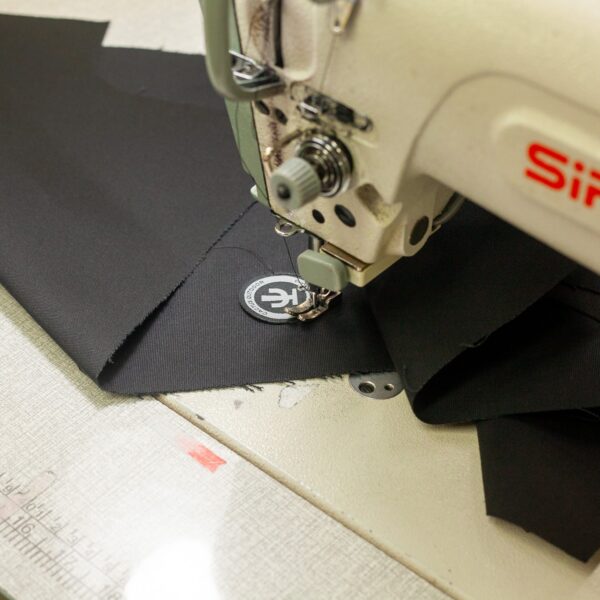
Most of what fashion calls sustainability is a press release with a photoshoot. Recycling gets the marketing budget because it lets a brand keep selling the same volume, while reduce, reuse and repair all mean selling less. Cactus has spent 34 years doing this the hard way. In 2019 it bought the Albion factory believing ownership would fix the problem, and learned that control over how a garment is made matters but isn’t the whole answer. Its next attempt is CactusLab, where repair is part of the product through logistics, training, pricing and design for repair. Ben Kepes argues that fixing a garment is only maintenance, and the harder work is reimagining what a clothing company sells.

Ben Kepes
A Christchurch-based entrepreneur and technology commentator, best known for founding Cactus Equipment, the iconic Kiwi outdoor brand famous for its rugged canvas workwear and unmistakable design. A prolific writer and cloud-computing analyst, Ben brings a maker's curiosity and sharp commercial instinct to everything he builds and creates.
A Christchurch-based entrepreneur and technology commentator, best known for founding Cactus Equipment, the iconic Kiwi outdoor brand famous for its rugged canvas workwear and unmistakable design. A prolific writer and cloud-computing analyst, Ben brings a maker's curiosity and sharp commercial instinct to everything he builds and creates.
1:00 PM
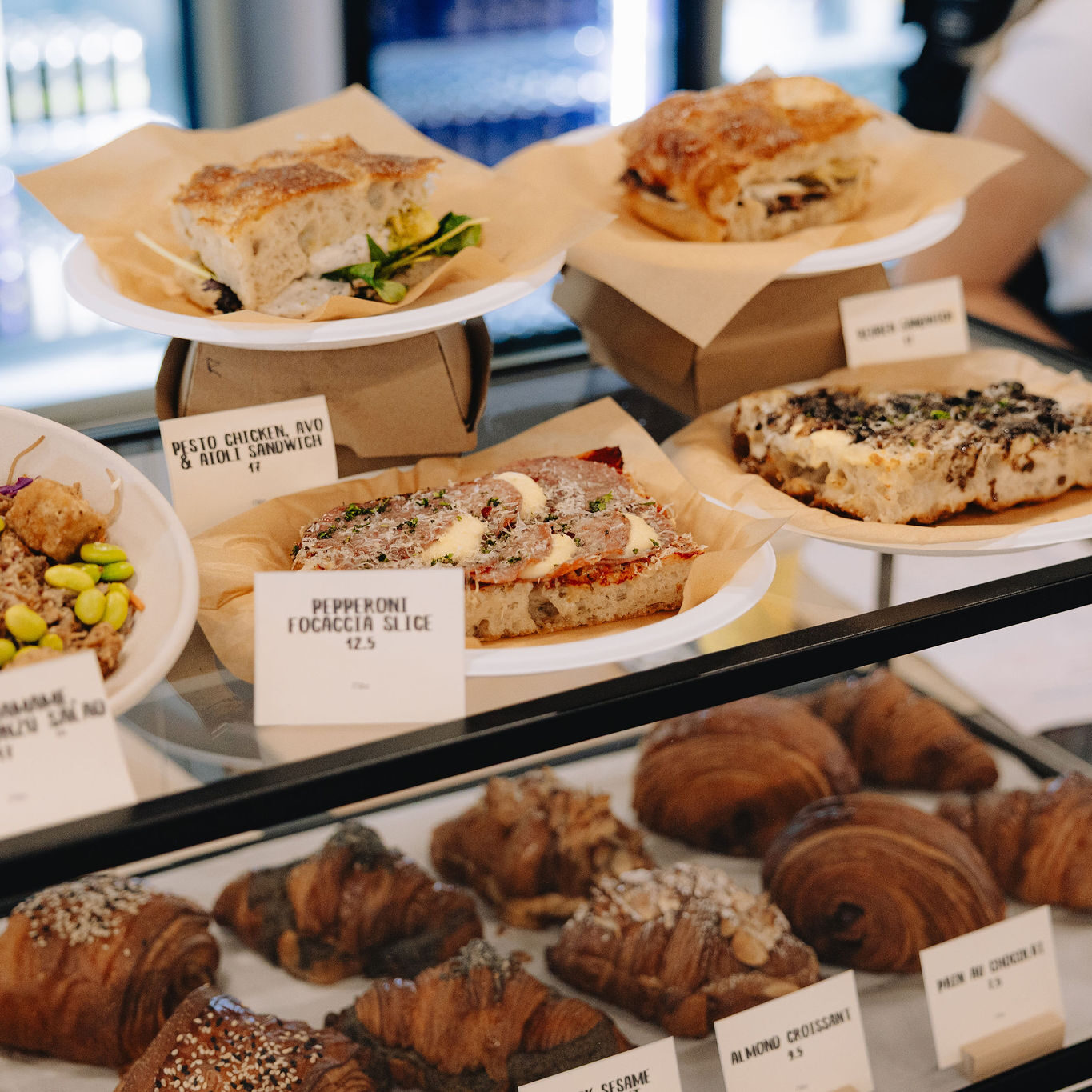
Lunch Break
2:00 PM
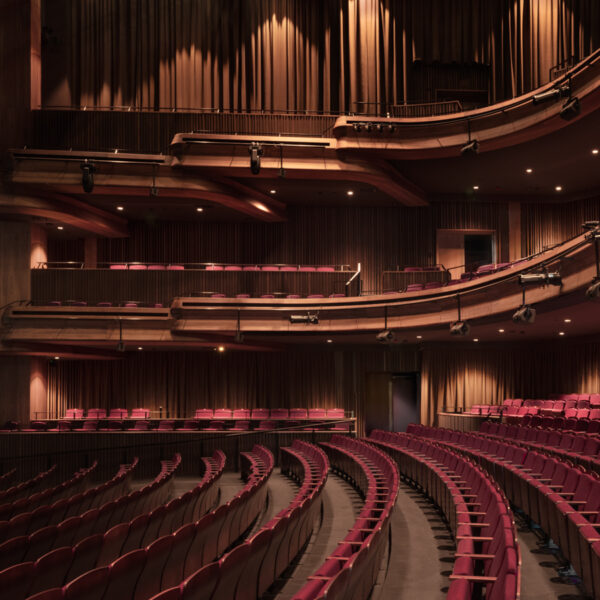
The BNZ Theatre took home the Premier Award at the inaugural NZ Interior Awards. Jun Tsujimoto, Head of Design at Jasmax, takes the room through how the project delivers a landmark cultural venue, breathes new life into Kirikiriroa Hamilton’s city centre and reconnects it with the Waikato River. Jun will share the thinking behind the design – how it draws on the site’s layered history, celebrates identity and place, and uses craft, light and materiality to create a memorable experience for every audience member.

Jun Tsujimoto
Head of Design at Jasmax, Jun is an architect with extensive design experience in Aotearoa New Zealand and Japan. His expertise spans a diverse range of sectors and scales including boutique retail fitouts, residential, tertiary education, civic buildings, and urban infrastructure. His underlying passion is the role architecture plays in shaping cities.
Head of Design at Jasmax, Jun is an architect with extensive design experience in Aotearoa New Zealand and Japan. His expertise spans a diverse range of sectors and scales including boutique retail fitouts, residential, tertiary education, civic buildings, and urban infrastructure. His underlying passion is the role architecture plays in shaping cities.
2:30 PM
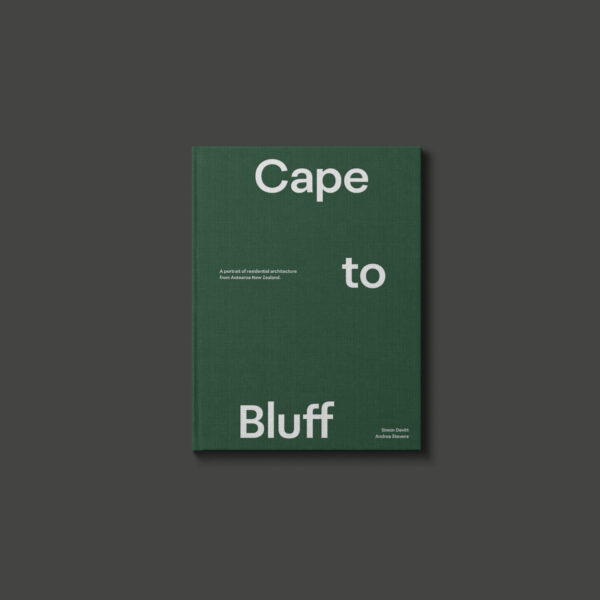
In Cape to Bluff Vol. 2, a $350k house sits beside a $6m house, each given the same care and attention. Both earned their place through the thinking behind them: how they respond to the land, and what they make possible for the people who live there. That was an editorial decision, and it widens the conversation about what architecture can do and who it can be for. A former architect with four books and hundreds of magazine articles behind her, Andrea talks about what earns a project its place in print, and why a book still carries weight in an age of digital feeds and AI summaries.

Andrea Stevens
A former architect, Andrea has spent 20 years writing about architecture, construction, design and culture, revealing in plain English the ideas that drive the built environment. She runs Folio, a specialist communications agency in Tāmaki Makaurau Auckland, and received an NZIA President's Award in 2025. Her books with Simon Devitt have earned a PANZ People's Choice Award and finalist placings in the Best Awards and the New Zealand Book Awards.
A former architect, Andrea has spent 20 years writing about architecture, construction, design and culture, revealing in plain English the ideas that drive the built environment. She runs Folio, a specialist communications agency in Tāmaki Makaurau Auckland, and received an NZIA President's Award in 2025. Her books with Simon Devitt have earned a PANZ People's Choice Award and finalist placings in the Best Awards and the New Zealand Book Awards.
3:00 PM
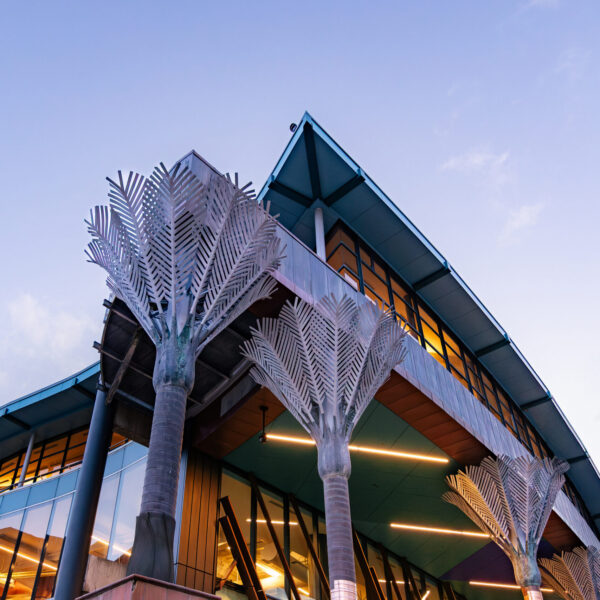
Te Matapihi ki te Ao Nui won the inaugural Kōtuitui Award at the 2026 NZ Interior Awards, the award for work made through genuine partnership. The Wellington Central Library represents far more than a seismic strengthening project. Driven by a deep partnership between Wellington City Council and Mana Whenua, Te Matapihi is a transformative civic institution that has re-established the library as the cultural and community heart of Te Whanganui-a-Tara. Athfield and Tihei take the room through how the two practices actually worked together, the significance of trust, respect and reciprocity to the success of the project, and what the partnership looked like when it was tested.
Nick Strachan
Architect and Principal at Athfield Architects, who has a focus on civic, community and library projects. He has worked on the library teams across Devonport, Waitohi-Johnsonville, Waitohi-Picton and most recently Te Matapihi/Wellington Central Library.
Architect and Principal at Athfield Architects, who has a focus on civic, community and library projects. He has worked on the library teams across Devonport, Waitohi-Johnsonville, Waitohi-Picton and most recently Te Matapihi/Wellington Central Library.

Rangi Kipa (Taranaki Iwi/Te Ātiawa)
A nationally and internationally recognised contemporary Māori art practitioner with specific training in carving, Māori visual arts, and social sciences. Rangi leads Māori design consultancy Tihei Limited in the provision of Māori design services, facilitating the exploration, understanding, and realisation of Māori language systems within the built environment.
A nationally and internationally recognised contemporary Māori art practitioner with specific training in carving, Māori visual arts, and social sciences. Rangi leads Māori design consultancy Tihei Limited in the provision of Māori design services, facilitating the exploration, understanding, and realisation of Māori language systems within the built environment.
3:30 PM
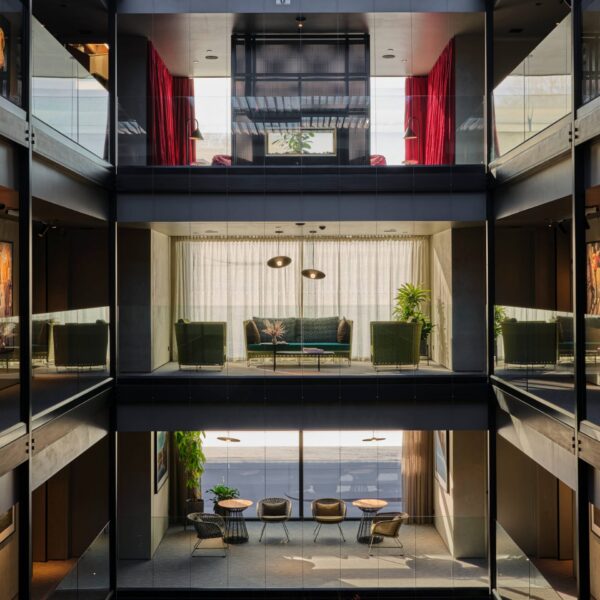
EBB Dunedin began as a client's proposed apartment project. Gary Todd reasoned for a hotel instead, on the grounds it would respect and give more back to Ōtepoti Dunedin than apartments could, and it went on to win the NZIA Sir Miles Warren Award. At Orokonui House, he reasoned for a smaller footprint: a contextual house more open and connected with its eco-sanctuary surroundings rather than a larger one that ignores them. Both come back to manaakitanga and kaitiakitanga, and to the test he applies before anything else. Does this building belong to its place, its people, and its culture?

Gary Todd
An Architect who received the 2022 Sir Miles Warren Award for EBB Dunedin that succeeds as an intervention within the fabric of Ōtepoti by extending the boundaries of its commercial site and brief. Gary considers buildings belong as a living extension of the land, ancestors, and community.
An Architect who received the 2022 Sir Miles Warren Award for EBB Dunedin that succeeds as an intervention within the fabric of Ōtepoti by extending the boundaries of its commercial site and brief. Gary considers buildings belong as a living extension of the land, ancestors, and community.
4:00 PM
Afternoon Break
4:30 PM
Toss Grumley mentors business owners, including many of the country's leading creatives, and the same problems turn up in their businesses almost every time. Creative freedom pulls one way, and the business that has to pay for it pulls the other. Toss breaks down the most common mistakes he sees, and owns the one that keeps catching him: being right about a client's business and failing to convince them to act on it. For anyone running or managing a studio who suspects their problem is not a design one.

Toss Grumley
The leading business advisor to creative and professional services entities in New Zealand. He advises over 200 companies through each life stage of business, from launch and growth to maintaining and thriving. He has launched and exited multiple businesses, and developed his coaching framework while doing his MBA at Warwick Business School in the UK.
The leading business advisor to creative and professional services entities in New Zealand. He advises over 200 companies through each life stage of business, from launch and growth to maintaining and thriving. He has launched and exited multiple businesses, and developed his coaching framework while doing his MBA at Warwick Business School in the UK.
5:00 PM
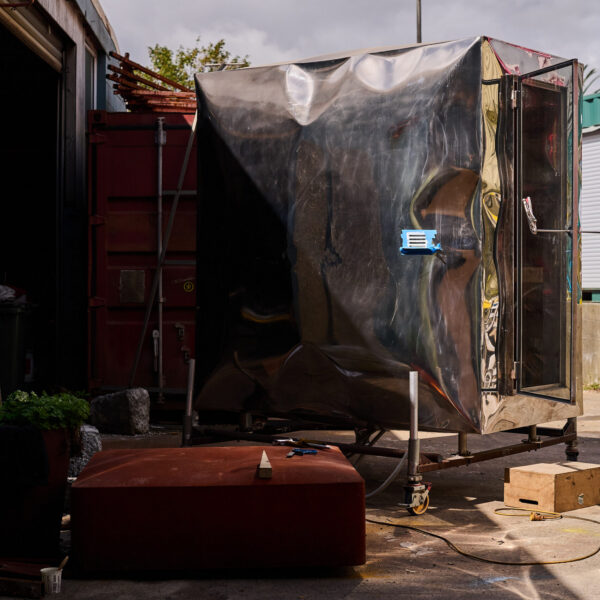
Frank Lloyd Wright, the story goes, once designed a client's slippers. Architect and maker Gerard Dombroski thinks his profession should get back to that, and stop specifying what it could be designing. From 100 seats made with Yu Mei to a hydroformed sauna that is likely a world first, and the Secret Garden House now nearing completion, he works by leapfrogging between drawing, making and what the material teaches him. Expect the war stories, the workshop hours and the things that went sideways, and a case for reclaiming the territory architects have quietly handed over.

Gerard Dombroski
A New Zealand-based architect working across an abnormally wide range of scales. From traditional commercial and residential architecture through to the fabrication of small-scale buildings, sculptures down to furniture, lighting and even buttons. His working out of a workshop allows each discipline to inform the other.
A New Zealand-based architect working across an abnormally wide range of scales. From traditional commercial and residential architecture through to the fabrication of small-scale buildings, sculptures down to furniture, lighting and even buttons. His working out of a workshop allows each discipline to inform the other.
5:30 PM

Seachange grew, which is what every studio says it wants. Amanda Gaskin is going to talk about what that actually cost. The stretch of it, the point where being the people holding the whole thing stopped working, and the decision to bring in a General Manager and hand over the running of something she built.
But growth doesn't always mean getting bigger. For Seachange, it has meant building a better business: improving how the studio is run, how clients are managed, how projects are costed and billed, and creating the space to focus more deeply on the creative work.

Amanda Gaskin
Creative Director and co-founder of Seachange, with more than 20 years’ experience in the creative industry. The studio has amassed more than 100 national and international design awards, reflecting a commitment to work that is both creatively ambitious and beautifully crafted.
Creative Director and co-founder of Seachange, with more than 20 years’ experience in the creative industry. The studio has amassed more than 100 national and international design awards, reflecting a commitment to work that is both creatively ambitious and beautifully crafted.
6:00 PM
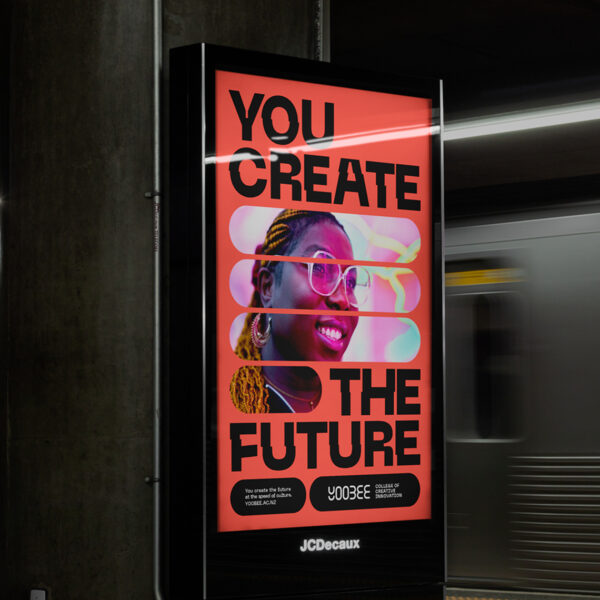
New Zealand has built its economy on the value of what we produce. Dairy, timber, meat and tourism. But what if our greatest untapped resource is how we think? Nick Riley, Founder and Creative Director of Nonfiction, makes the case for design as a powerful driver of economic growth, creating differentiation, building intellectual property and helping New Zealand businesses compete on the world stage. Exploring how our unique cultural perspective can become a competitive advantage in an increasingly homogenised world, Nick challenges us to rethink how Aotearoa creates, captures and exports value.

Nick Riley
The Founder and Creative Director of Nonfiction, an independent brand strategy and design studio. With over 20 years’ experience working with some of New Zealand’s most recognised brands, Nick believes great design goes beyond aesthetics, creating clarity, competitive advantage and meaningful commercial value for ambitious businesses.
The Founder and Creative Director of Nonfiction, an independent brand strategy and design studio. With over 20 years’ experience working with some of New Zealand’s most recognised brands, Nick believes great design goes beyond aesthetics, creating clarity, competitive advantage and meaningful commercial value for ambitious businesses.
6:30 PM
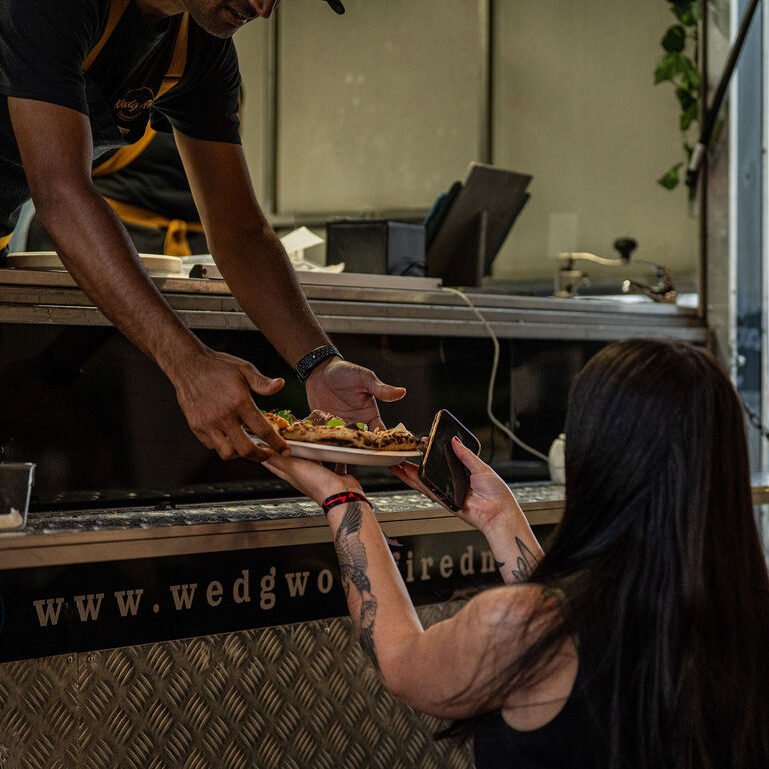
Dinner Break
7:30 PM
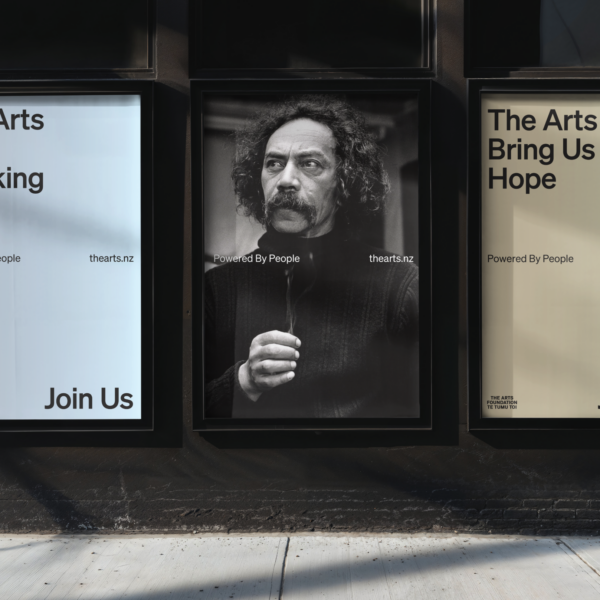
Stephen McCarthy is Creative Director at Kathmandu, and in his own time he interviews designers about how they actually got where they are. There to There is that project, and this session is what it has taught him: most careers are a series of turns, the useful material is the work people would rather not show, and a portfolio makes the path look far more orderly than it was. He brings [TBC project one] and [TBC project two] to ground it, including moodscroller, the side project built to interrupt his own doomscrolling.

Stephen McCarthy
Stephen founded McCarthy (now March) in Ōtautahi creating brand, campaign and behaviour change work through the earthquakes and beyond. He created www.theretothere.co.nz to uncover the untold stories of Aotearoa designers and their journey (luck, wins, fails, craft, and the hustle). He is currently creative director at Kathmandu.
Stephen founded McCarthy (now March) in Ōtautahi creating brand, campaign and behaviour change work through the earthquakes and beyond. He created www.theretothere.co.nz to uncover the untold stories of Aotearoa designers and their journey (luck, wins, fails, craft, and the hustle). He is currently creative director at Kathmandu.
7:50 PM
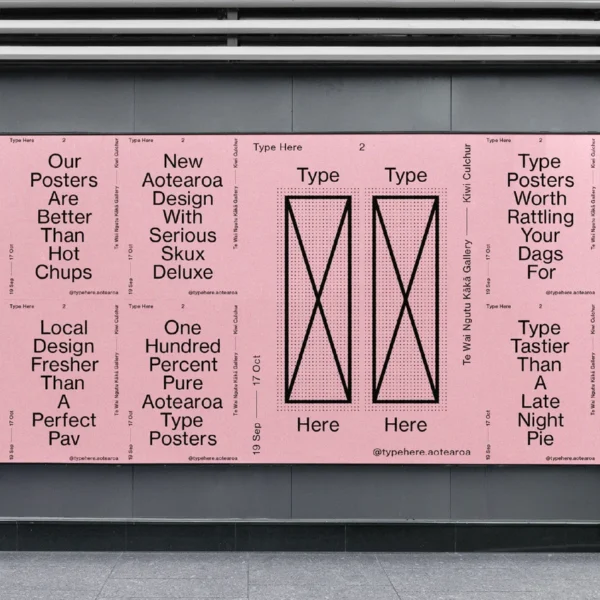
What does it take to find your creative voice, shape a brand, and navigate the unexpected turns of a design career? In this live session of There to There, Stephen McCarthy sits down with Shabnam Shiwan, partner at Osborne Shiwan, to explore the beginnings, breakthroughs, and challenges that have shaped her journey. From her early design memories growing up in Fiji to rebranding Karen Walker and exploring identity through Place, Shabnam Shiwan shares the lessons behind her creative journey. An honest, insightful conversation about creativity, identity, and finding your way in design.

Stephen McCarthy (Host)
Stephen founded McCarthy (now March) in Ōtautahi creating brand, campaign and behaviour change work through the earthquakes and beyond. He created www.theretothere.co.nz to uncover the untold stories of Aotearoa designers and their journey (luck, wins, fails, craft, and the hustle). He is currently creative director at Kathmandu.
Stephen founded McCarthy (now March) in Ōtautahi creating brand, campaign and behaviour change work through the earthquakes and beyond. He created www.theretothere.co.nz to uncover the untold stories of Aotearoa designers and their journey (luck, wins, fails, craft, and the hustle). He is currently creative director at Kathmandu.

Shabnam Shiwan
As Creative Director of New Zealand-based design studio Osborne Shiwan, Shabnam’s work is internationally recognised across commerce, arts and culture. Grounded in strategic design, her practice brings together considered innovation and a mindful approach to creating work with enduring relevance and global resonance.
As Creative Director of New Zealand-based design studio Osborne Shiwan, Shabnam’s work is internationally recognised across commerce, arts and culture. Grounded in strategic design, her practice brings together considered innovation and a mindful approach to creating work with enduring relevance and global resonance.
8:15 PM
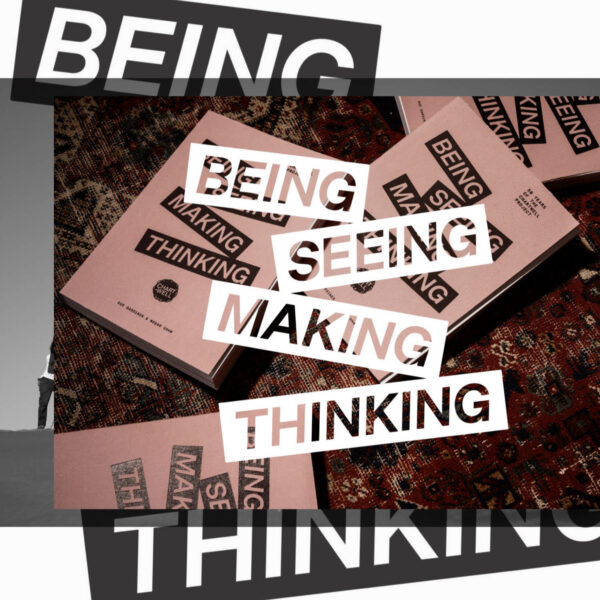
Arch MacDonnell co-founded Auckland design studio Inhouse in 1995, and has spent more than thirty years working across identity, arts and publishing in Aotearoa. In this live recording of There to There, Stephen McCarthy skips the portfolio highlights and asks about everything around them: what drove the studio from the start, the ambitions that held and the ones that shifted, and the failings that taught the most. Behind them runs a slideshow of offcuts, outtakes, hits and misses from the 1990s to now. An honest conversation about three decades of practice.
Stephen McCarthy
Stephen founded McCarthy (now March) in Ōtautahi creating brand, campaign and behaviour change work through the earthquakes and beyond. He created www.theretothere.co.nz to uncover the untold stories of Aotearoa designers and their journey (luck, wins, fails, craft, and the hustle). He is currently creative director at Kathmandu.
Stephen founded McCarthy (now March) in Ōtautahi creating brand, campaign and behaviour change work through the earthquakes and beyond. He created www.theretothere.co.nz to uncover the untold stories of Aotearoa designers and their journey (luck, wins, fails, craft, and the hustle). He is currently creative director at Kathmandu.

Arch MacDonnell
Co-founder and creative director of Inhouse, an Auckland design studio established in 1995. His practice spans corporate identity, arts and publishing, with a particular focus on projects that contribute to New Zealand culture. He is a Fellow of the Designers Institute of New Zealand and a member of Alliance Graphique Internationale (AGI).
Co-founder and creative director of Inhouse, an Auckland design studio established in 1995. His practice spans corporate identity, arts and publishing, with a particular focus on projects that contribute to New Zealand culture. He is a Fellow of the Designers Institute of New Zealand and a member of Alliance Graphique Internationale (AGI).
8:40 PM
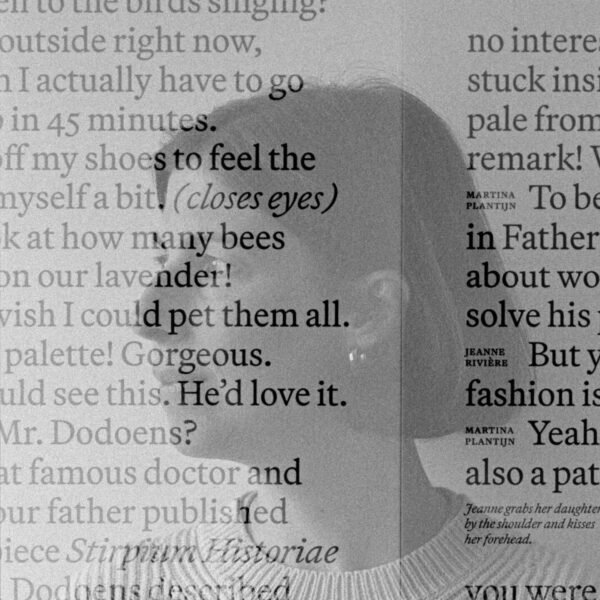
Kris Sowersby left Whanganui School of Design to find no jobs, so he started a design business with a friend: no money, no clients, no experience. In 2005 he reversed "milk" in his sketchbook and founded Klim Type Foundry, now known worldwide for typefaces like National and Financier. In this live recording of There to There, Stephen McCarthy asks how a largely self-taught designer from Hastings built a global type foundry from Te Whanganui-a-Tara Wellington, and what the path actually looked like.
Stephen McCarthy
Stephen founded McCarthy (now March) in Ōtautahi creating brand, campaign and behaviour change work through the earthquakes and beyond. He created www.theretothere.co.nz to uncover the untold stories of Aotearoa designers and their journey (luck, wins, fails, craft, and the hustle). He is currently creative director at Kathmandu.
Stephen founded McCarthy (now March) in Ōtautahi creating brand, campaign and behaviour change work through the earthquakes and beyond. He created www.theretothere.co.nz to uncover the untold stories of Aotearoa designers and their journey (luck, wins, fails, craft, and the hustle). He is currently creative director at Kathmandu.

Kris Sowersby
Founder of Klim Type Foundry in 2005 in Te Whanganui-a-Tara Wellington. His typefaces include National, Financier, Domaine and Untitled Sans, alongside custom fonts for the Financial Times, PayPal and National Geographic. A member of Alliance Graphique Internationale, he received the John Britten Black Pin in 2015 and was named an Arts Foundation Laureate in 2019.
Founder of Klim Type Foundry in 2005 in Te Whanganui-a-Tara Wellington. His typefaces include National, Financier, Domaine and Untitled Sans, alongside custom fonts for the Financial Times, PayPal and National Geographic. A member of Alliance Graphique Internationale, he received the John Britten Black Pin in 2015 and was named an Arts Foundation Laureate in 2019.
9:00 PM
Close
AOTEAROA’S DESIGN SHOWCASE
THE DESIGN
DEPOT
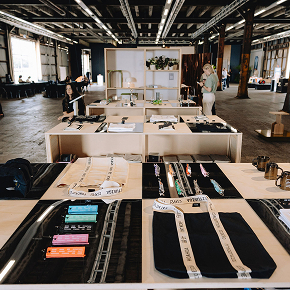
Running through the ground floor of Shed 10 and the areas around it: work from studios, manufacturers and emerging designers, open across the final three days of NZDW 2027. The full studio and brand line up is announced on 21 January. Food and drink are available to purchase on site.
Including transport & parking options